
Two Ways to Sell Thai Beauty Products in China: CBEC vs General Trade

For a Chinese buyer bringing Thai beauty products into the domestic market, one decision has to be made before sourcing, pricing, or even choosing a first product: will these goods enter through cross-border e-commerce (CBEC), or through general trade? The two routes lead to different regulatory paths, different timelines, and different documents a Thai supplier needs to hand over, and switching between them mid-way is far harder than choosing correctly the first time.
Cross-border e-commerce covers sales through government-sanctioned platforms, Tmall Global and JD Worldwide are the best known. Goods sold this way to an individual Chinese consumer are treated as personal articles rather than ordinary commercial imports, which is what generally exempts them from NMPA registration or filing, mandatory Chinese-language labelling, and the safety testing tied to those processes. The exemption applies only to products on the official positive list, within order and annual value limits set for each buyer. Special-use cosmetics, such as sunscreen, hair dye, or whitening and anti-hair-loss products, are treated more strictly even within CBEC, so a buyer should not assume every beauty product qualifies for the same light-touch treatment.
Fulfilment under CBEC runs one of two ways. In the bonded-warehouse model, stock ships in bulk to a China-based bonded warehouse ahead of sale, then releases as orders arrive: faster delivery once stock is in place, but more inventory risk for the seller. In the direct-mail model, each order ships from outside China only after it is placed, keeping inventory risk low but delivery slower. Most brands starting out lean toward direct mail until volume justifies holding bonded stock.
General trade is the ordinary route: goods enter as commercial imports for resale through physical retail, distributors, or any channel outside CBEC. This path requires NMPA registration or filing before sale, registration for special-use cosmetics, a lighter filing process for ordinary ones, and a Domestic Responsible Person: a China-based entity that formally takes on responsibility for the product's compliance, safety documentation, and adverse-event handling once it is on the market. Physical Chinese-language labelling and the safety and testing documentation behind that filing or registration are mandatory, none of it optional or added later.
The practical difference shows up in three places. Who carries compliance responsibility: under general trade that sits formally with the Domestic Responsible Person; under CBEC it is distributed across the platform's own compliance framework for eligible goods, a large part of why the exemption exists. How much groundwork happens before a single unit can be sold: general trade needs registration or filing substantially complete first, while eligible CBEC listings can move much faster. And what documentation a Thai supplier must produce: both routes need certificates of analysis, full ingredient or formula lists, safety data, and clear labelling. General trade adds a heavier layer, the technical dossier supporting the Domestic Responsible Person's NMPA submission, which takes considerably more coordination between buyer, Domestic Responsible Person, and Thai supplier.
In practice, a first order is usually structured to match the route. A buyer testing a new Thai brand's appeal in China often starts with a modest CBEC listing, direct mail if volumes are uncertain, bonded stock once demand is proven, avoiding commitment to registration or filing before there is evidence the product will sell. If the plan is physical retail distribution at scale from the outset, it makes more sense to start the NMPA process early, since it is the slower piece, while running a small CBEC or sample shipment alongside it to keep momentum.
The rules governing NMPA registration, filing, the Domestic Responsible Person requirement, and the CBEC positive list are set and updated by Chinese authorities, and they do change. Buyers should confirm current requirements directly with the relevant Chinese authority or a local regulatory consultant before committing to either route. Once the route is settled, Pimmycool's role is on the Thai side of the transaction: sourcing the product from the brand, consolidating the shipment, and preparing the export paperwork the buyer's chosen route will require.
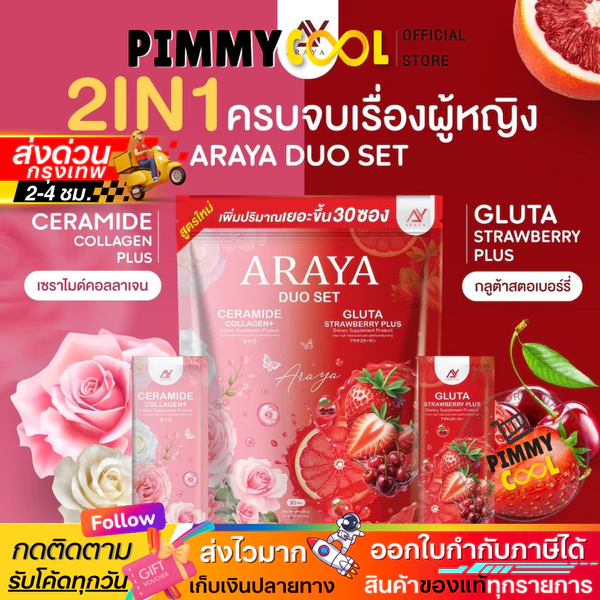
Product featured in this article: Araya Collagen Duo Set Supplement, 30 sachets
Products in this article
 -43%
Araya Collagen Duo Set Supplement, 30 sachets
Araya Collagen Duo Set drink powder, 30 sachets
 -40%
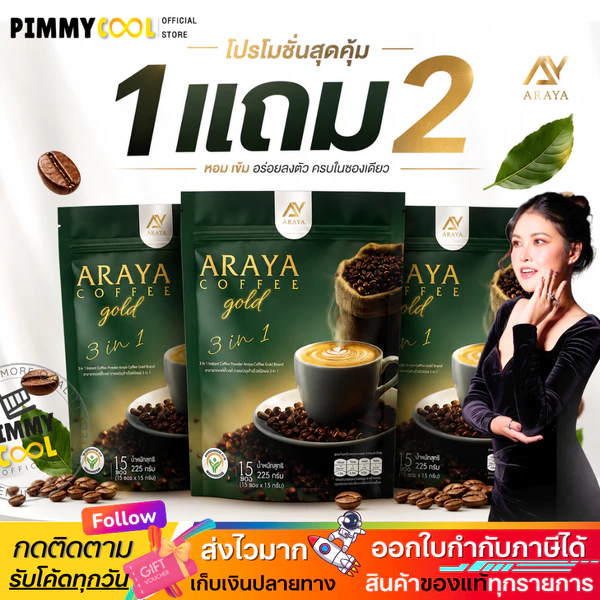
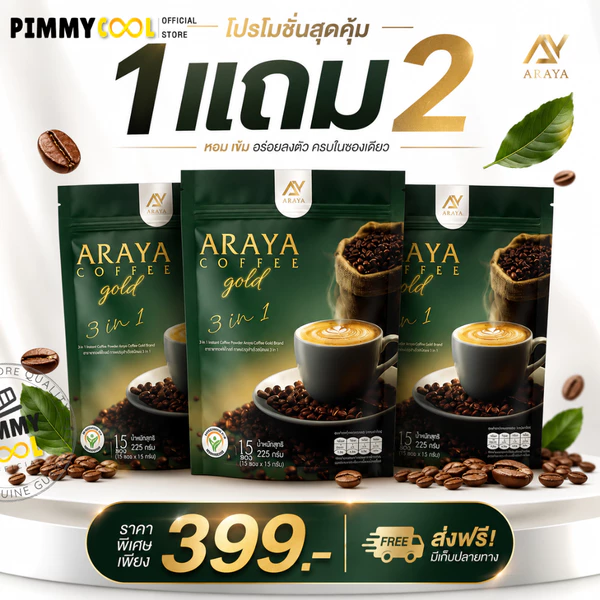
Araya Coffee Gold 3-in-1 Sugar-Free Instant Coffee 15 Sachets
-40%Araya Coffee Gold 3-in-1 Sugar-Free Instant Coffee 15 Sachets
 -40%