
What COSMEX 2026 Signals for Overseas Beauty Buyers
COSMEX 2026, Thailand's largest beauty and personal care trade show, just closed its three-day run at BITEC Bangna on November 3-5. Organizers reported more than 700 suppliers and 300 brands from roughly 20 countries exhibiting, making it one of the clearer snapshots of where Thai beauty branding is heading for the year ahead.
Two themes stood out this year: T-Beauty and halal cosmetics. T-Beauty is the shorthand the industry uses for homegrown Thai beauty brands that have built recognition outside Thailand, following a pattern similar to K-Beauty and J-Beauty in earlier decades. Halal cosmetics was the other focus, reflecting steady demand growth from Muslim-majority markets in the Gulf and across Southeast Asia, where halal status on a personal care product is increasingly treated as a baseline expectation rather than a niche add-on.
For an overseas buyer, the practical takeaway is less about any single brand at the show and more about category breadth. Thai beauty exports now go well beyond skincare creams: collagen supplements in single-serve sachets, herbal ointments, hair and scalp treatments, and personal hygiene items all travel under the same umbrella and often ship together in one consolidated order. A buyer bringing in Thai products for the first time is usually mixing several of these categories rather than ordering one hero SKU.
Halal status and market-specific registration are worth raising early, not after a shipment is already packed. Gulf Cooperation Council countries apply a shared cosmetics safety standard, GSO 1943, on top of each country's own registration process, and requirements can differ by product type and by country even within the GCC. If halal certification or local registration matters for your target market, confirm the current requirements directly with the relevant authority or a regulatory consultant in that market before finalizing an order - a conversation at a trade show or a supplier's claim is not a substitute for that check.
None of this changes the basic shape of sourcing from Thailand: suppliers vary in MOQ and lead time, packaging specs need to be agreed before production starts, and consolidating several suppliers into one shipment is usually more efficient than running separate export processes for each. That consolidation and paperwork step is where a sourcing and export partner like Pimmycool fits in, bringing together orders from multiple Thai brands and suppliers into a single shipment rather than from any one factory.
Whether T-Beauty and halal cosmetics turn into sustained order volume or stay a trade-show talking point is still something to watch over the next few sourcing cycles. For now, the signal is directional: buyers researching Thai beauty and FMCG categories have more real options than a single bestselling cream, and the sourcing conversation is shifting toward portfolios of products rather than one standout item.
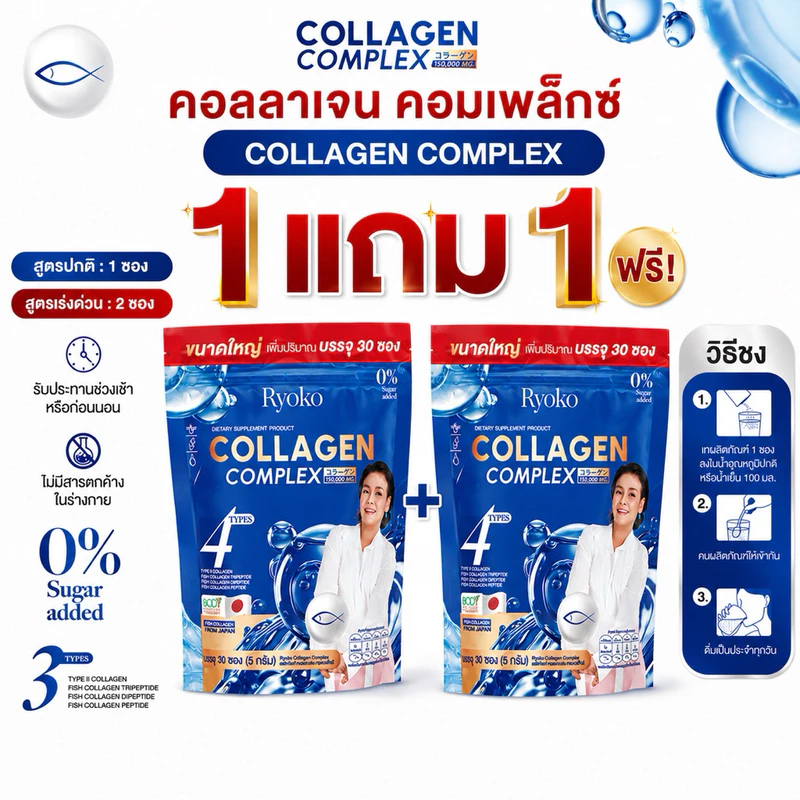
Product featured in this article: Ryoko Pure Collagen, 30 sachets
Products in this article
 -13%
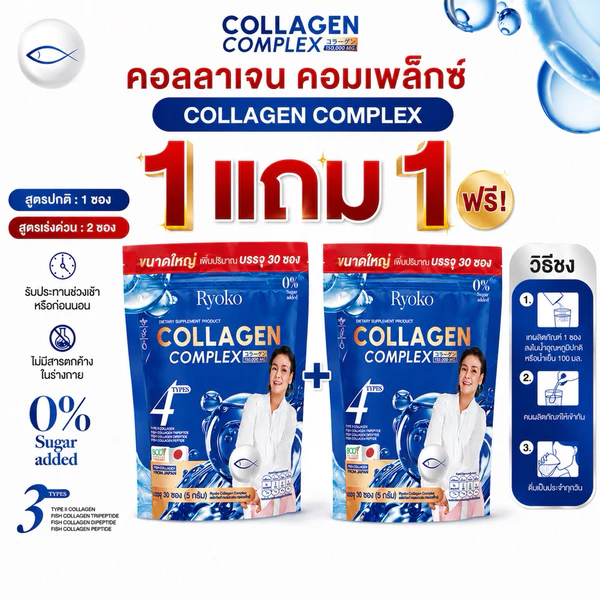
Ryoko Pure Collagen, 30 sachets
Ryoko collagen complex drink powder, 30 sachets
 -51%
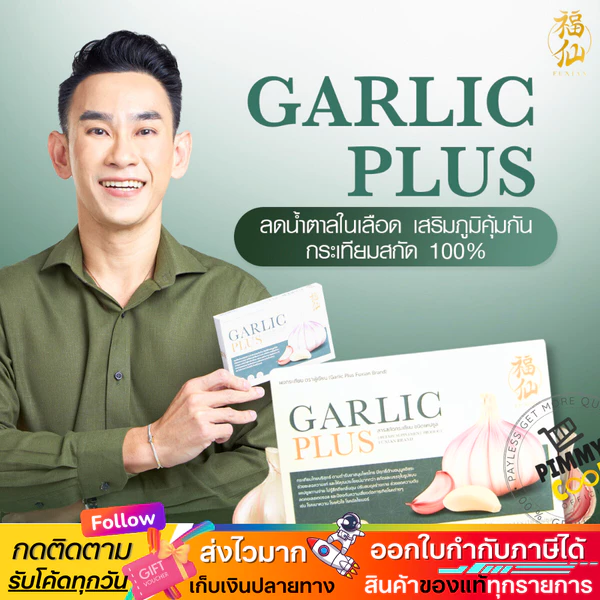
Fuxian Thai Garlic Extract Plus, 10 capsules
Fuxian Garlic Plus capsules made with Thai garlic, 10 per box
 -35%
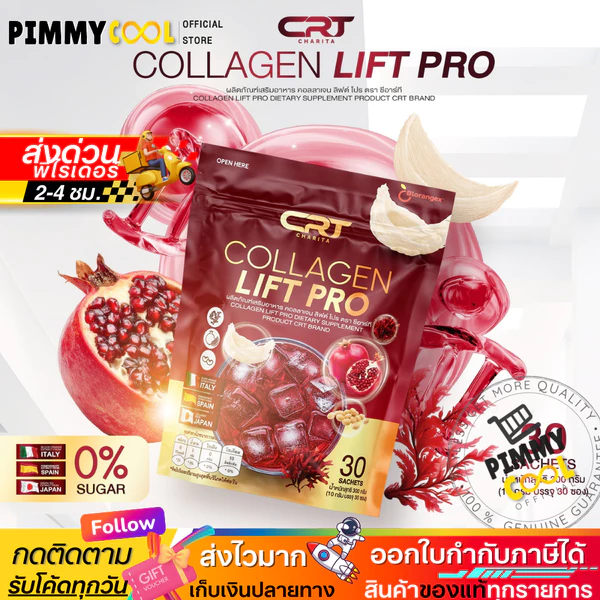
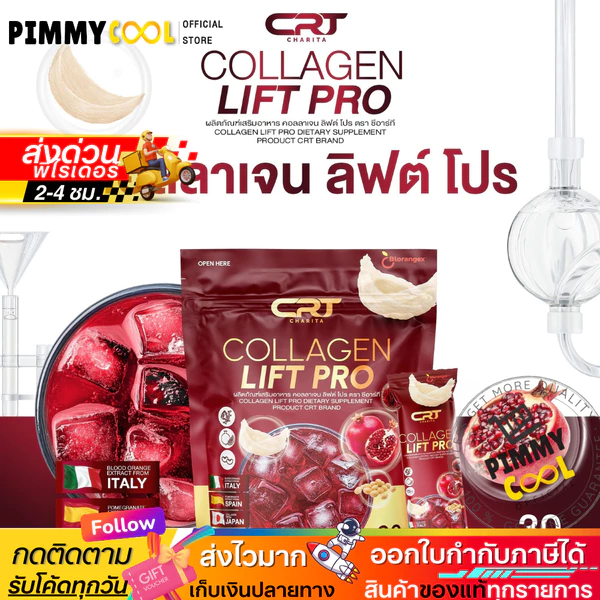
CRT Collagen Lift Pro Collagen Drink 30 Sachets
 -35%