
Domestic Marketplace Sales vs. Export Wholesale for Thai Brands

A Thai brand that already sells on Shopee, Lazada, and TikTok Shop has a rhythm it knows well: list a product, drive traffic with ads, collect reviews, restock what sells. When someone brings up "export" or "selling wholesale abroad," it is tempting to think of it as the same rhythm at a larger scale. It is not. Domestic marketplace selling and export wholesale are two different channels, with different buyers, different paperwork, and a different pace.
On Shopee, Lazada, or TikTok Shop, the customer is a Thai consumer buying one unit at a time. Sales move fast: a good ad or a viral video can move stock within days, and reviews accumulate quickly because the buyer is right there, completing the purchase on the same platform where they discovered the product. The seller's job is mostly about visibility, pricing, and keeping the listing competitive against dozens of similar products.
Export wholesale looks different from the start. The buyer is a business, usually a distributor, retailer, or importer in another country, ordering in volume rather than by the piece. The sales cycle is slower: a foreign buyer typically asks questions, requests samples, and waits on paperwork before committing, so a single order can take weeks or months to close. In exchange, a confirmed order is usually worth far more per transaction than a single domestic sale, since it covers a large quantity at once.
A product doing well on Shopee is not automatically ready for export. Packaging claims that pass fine for a Thai marketplace listing may not be acceptable on a package sold in another country. Ingredient rules and labelling requirements are set by each destination country separately, and they are not the same as Thailand's. A color cosmetic like a mascara or lip product, for example, can need a different ingredient declaration, different label language, or additional documentation depending on where it is headed, even if nothing about the product itself has changed.
Export buyers also ask questions that a domestic Shopee listing never has to answer. They want to know the full ingredient list, whether any certificates exist for the product or the exporting company, what the minimum order quantity is, and how long lead time will be from order to shipment. None of that comes up when a Thai shopper buys a single item on a marketplace app; it comes up constantly in a conversation with a wholesale buyer overseas.
This is where a sourcing-and-export partner fits in. A partner like this buys products from Thai brands at wholesale, consolidates them with other shipments, prepares the export documentation, and ships them to buyers abroad. Because that work means talking to foreign buyers regularly, the partner already knows the kinds of questions and requirements that come up market by market, and can carry those back to the brand instead of leaving the brand to learn each destination country's rules on its own.
None of this makes export better than selling on Shopee, Lazada, or TikTok Shop, or the other way around. They are different channels with different demands: one rewards fast turnover and constant visibility to Thai consumers, the other rewards patience, documentation, and the ability to answer a foreign buyer's questions clearly. A brand that is strong domestically can consider adding export as a second channel, but it is worth understanding what changes before assuming the two work the same way.
Product featured in this article: Odbo BQ Cover Volumising Mascara BQ2859
Products in this article
 -16%
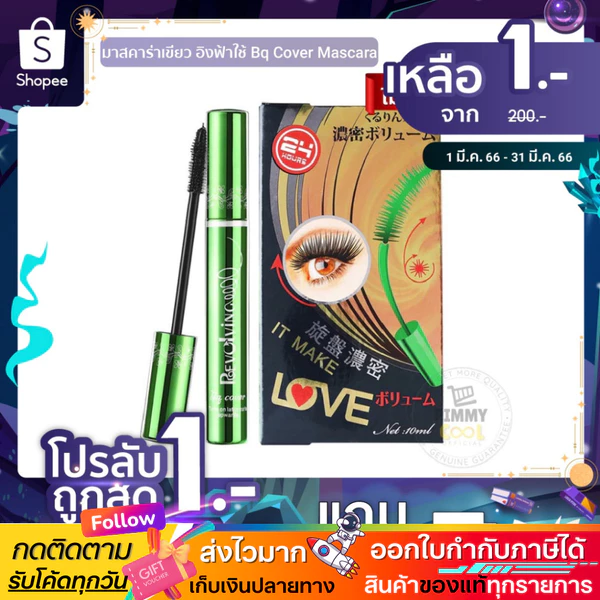
Odbo BQ Cover Volumising Mascara BQ2859
Odbo BQ Cover mascara in black with a lengthening brush, 10 ml
 -16%
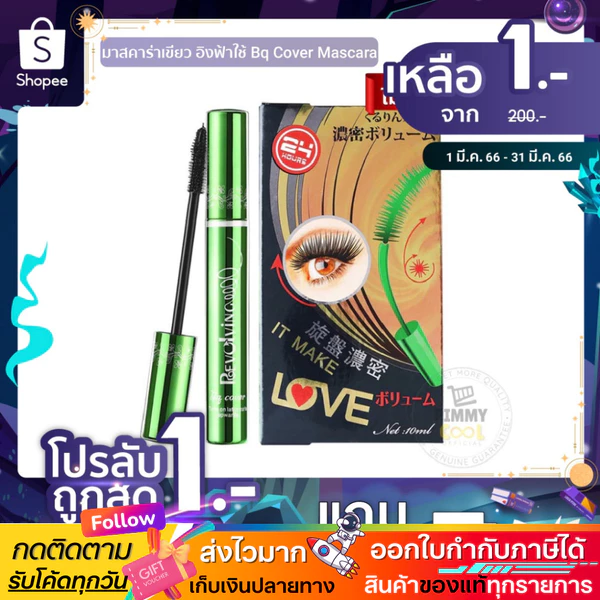
Odbo BQ Cover Volumising Mascara BQ2859
Odbo BQ Cover mascara in black with a lengthening brush, 10 ml
 -16%
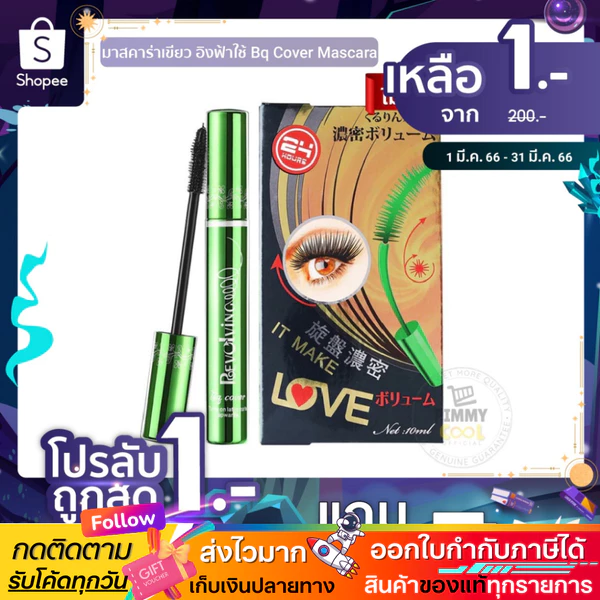
Odbo BQ Cover Volumising Mascara BQ2859
Odbo BQ Cover mascara in black with a lengthening brush, 10 ml
 -16%
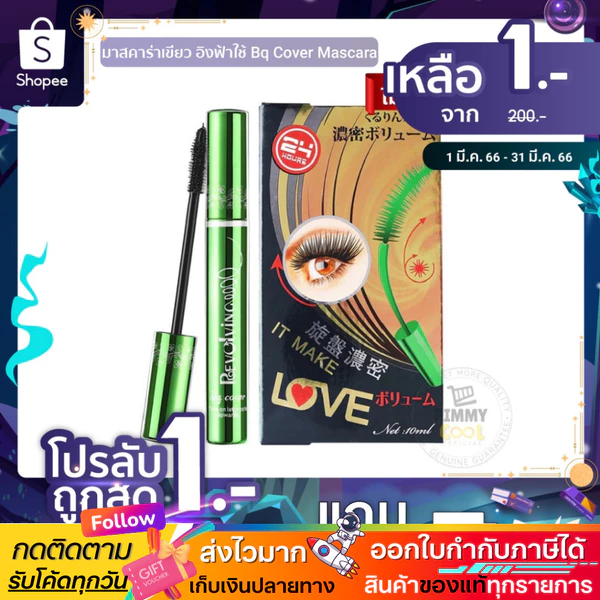
Odbo BQ Cover Volumising Mascara BQ2859
Odbo BQ Cover mascara in black with a lengthening brush, 10 ml