
Export Documents a Thai Brand Should Prepare

When a Thai beauty or FMCG brand is getting ready to sell through an export partner, the paperwork on the brand's own side is often the part owners underestimate. This is not a customs guide and does not replace advice from the relevant authority — think of it as a general checklist of what a brand should have ready before a wholesale export order moves forward.
The first layer of documents belongs entirely to the transaction that happens inside Thailand. When goods are purchased wholesale, the brand needs to issue a proper tax invoice or receipt for that sale, the same as it would for any other business buyer. Alongside the invoice, a product information sheet is expected — one that lists the ingredients, the net weight of each unit, and the maker's name as printed on the packaging.
For categories that fall under Thai cosmetics or supplement regulation, where the category requires registration, the existing อย. (Thai FDA) registration number should already be in hand before the goods move into an export order. Brands that already sell domestically in these categories typically have this number on file already; it should be ready alongside the other product documents rather than something tracked down after an order is confirmed.
Paperwork on the destination side works differently, and it helps to keep the two separate. Once Pimmycool buys a brand's products at wholesale for export, the commercial invoice, packing list, and — where a specific market requires it — certificate of origin are prepared on that side, as part of clearing the shipment through customs at the receiving end. A Thai brand does not need to draft any foreign-country paperwork itself.
A gap that comes up often, even with established brands, is not having product information ready in a form an export partner and a destination customs authority can actually use. Ingredient lists and packaging text that exist only in Thai, only on the physical box, or only in an old file nobody can find, slow things down. Brands that plan to export are better off preparing a digital, English-language version of their product information in advance, rather than assembling it after a buyer has already been found.
A smaller number of destination markets ask for something beyond the standard document set. Halal certification is a common example for markets such as Indonesia or Malaysia, but it is not a universal requirement — it only matters if a brand wants access to those specific markets. Where it applies, obtaining that certification is the brand's own responsibility, since it concerns the product and its ingredients rather than the logistics of shipping it.
None of this is legal or regulatory advice, and exact requirements vary by product category and by destination market. Before finalizing an export order, a Thai brand should confirm the precise document requirements for its specific product with the relevant authority — the Thai FDA (อย.) for registration questions, the Department of Business Development (DBD) for company and invoicing matters, and Thai Customs for anything related to the shipment itself. Confirming these details early, rather than after an order is already packed, is what keeps an export shipment moving on schedule.
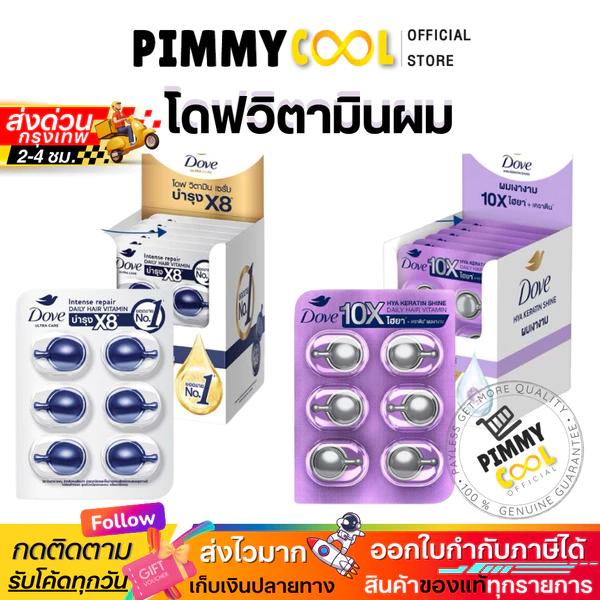
Product featured in this article: Dove Hair Vitamin Intensive Repair Serum, 1 ml (Box of 6 Strips)
Products in this article
 -23%
Dove Hair Vitamin Intensive Repair Serum, 1 ml (Box of 6 Strips)
Dove hair vitamin capsules, two formulas, box of 6 strips
 -49%
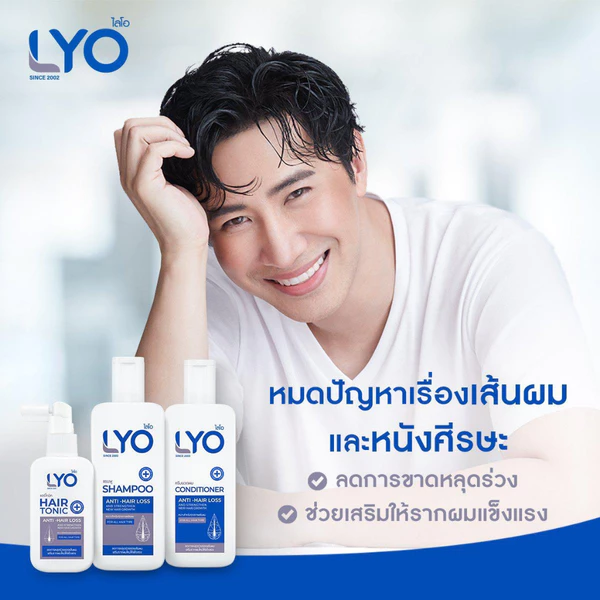
LYO Hair Tonic Hair Tonic Shampoo 100ml
 -74%
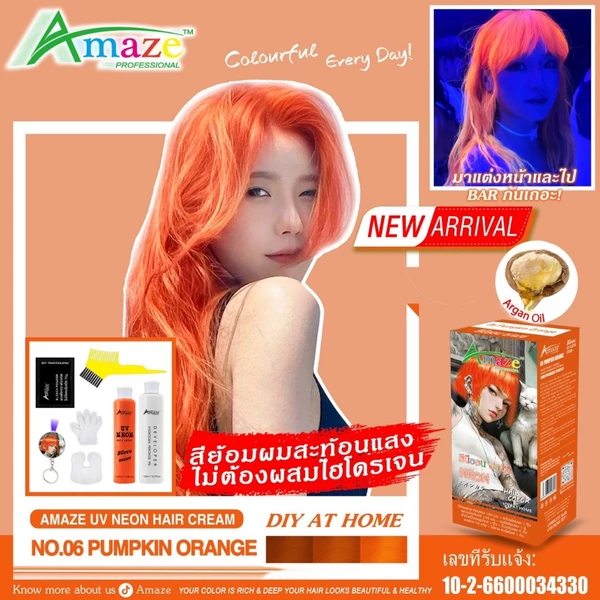
Amaze UV Neon Fluorescent Hair Colour Set
Amaze UV Neon hair colour set with bleach powder and developer
 -64%
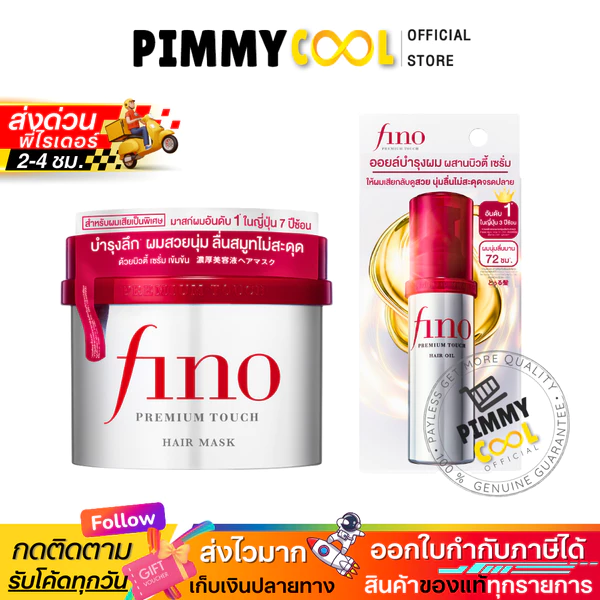
Shiseido Fino Premium Touch Hair Mask Oil
Shiseido Fino Premium Touch hair mask, 230 g