
Importing Thai Products Into Malaysia: ATIGA, NPRA and Halal
Malaysia and Thailand are both ASEAN members, and that carries a concrete benefit for a Malaysian buyer importing Thai beauty or household goods: qualifying products can enter under a preferential tariff rate instead of the standard duty, under the ASEAN Trade in Goods Agreement (ATIGA). The saving is not automatic. It depends on the Thai supplier arranging the correct origin paperwork at export time, and many first-time buyers never ask for it, so they pay more duty than necessary.
Thai exporters can document ATIGA origin two ways: the long-standing ATIGA Certificate of Origin, commonly called Form D, issued electronically by Thailand's Department of Foreign Trade through its e-Form D and Smart C/O system, or the ASEAN-Wide Self-Certification scheme, under which an approved Certified Exporter skips the separate certificate and writes an origin declaration directly on the commercial invoice. The two routes coexist rather than one replacing the other. Ask the supplier which route they use, for which HS code, and check the plain MFN duty on that tariff line first, since some personal-care lines already carry low duty, so the paperwork may matter less than assumed.
Cosmetics sold into Malaysia carry a separate requirement unrelated to tariffs: notification with the National Pharmaceutical Regulatory Agency (NPRA) under the Ministry of Health, before the product reaches the market. The detail that catches first-time buyers: the notification holder must be a company incorporated in Malaysia, not the Thai exporter. In practice, a foreign supplier needs a Malaysia-registered importer, distributor, or agent to act as Cosmetic Notification Holder and take on that responsibility, which is worth settling before a shipment leaves Thailand.
Halal status works differently. There is no general legal requirement for a cosmetic to be halal-certified before it can be sold in Malaysia, but in practice halal certification is a strong commercial expectation across much of the market, and many retailers treat it as a condition of doing business. What Malaysian law regulates closely is the claim itself: describing a product as halal without certification recognized by JAKIM, the Department of Islamic Development Malaysia, is a trade description offense, not a marketing choice. Thailand's own halal authority, CICOT (the Central Islamic Council of Thailand), appears on JAKIM's list of recognized foreign certification bodies, so a Thai product with current CICOT halal certification carries real weight. Because recognition lists change, confirm a supplier's certificate is current and still on JAKIM's recognized list before relying on it.
Getting goods into Malaysia comes down to two realistic options. The first is overland, through the southern land border, mainly the Sadao checkpoint on the Thai side and Bukit Kayu Hitam on the Malaysian side, by far the busiest land crossing between the two countries, with dedicated lanes for inbound and outbound freight trucks. Overland trucking suits smaller or time-sensitive orders, since goods move directly across the border without transshipment, and a rebuilt border complex that opened in 2026 was designed specifically to ease truck congestion there. The second option is sea freight to a west coast Malaysian port, most commonly Port Klang near Kuala Lumpur or Penang further north, the more standard route once an order is large enough to justify a full or partial container. Neither route is universally better; it depends on order size, urgency, and whether volume justifies a container.
Before a first order, get four things confirmed in writing: whether the supplier will issue an ATIGA Form D or a self-certified invoice declaration, and under which HS code; whether the product counts as a cosmetic under NPRA rules and who in Malaysia will hold the notification; whether halal certification matters for the target retail channel and, if so, whether the certificate is current and JAKIM-recognized; and whether order size and timeline point toward overland trucking or sea freight, rather than habit.
Trade rules, notification requirements, and recognized-certification lists are all subject to change, and how strictly they are enforced can vary by port, checkpoint, or agency. Everything above reflects publicly documented rules and practices at the time of writing. Buyers should confirm current requirements directly with Malaysian Customs, the NPRA, and JAKIM or CICOT before relying on any of it for a live shipment.
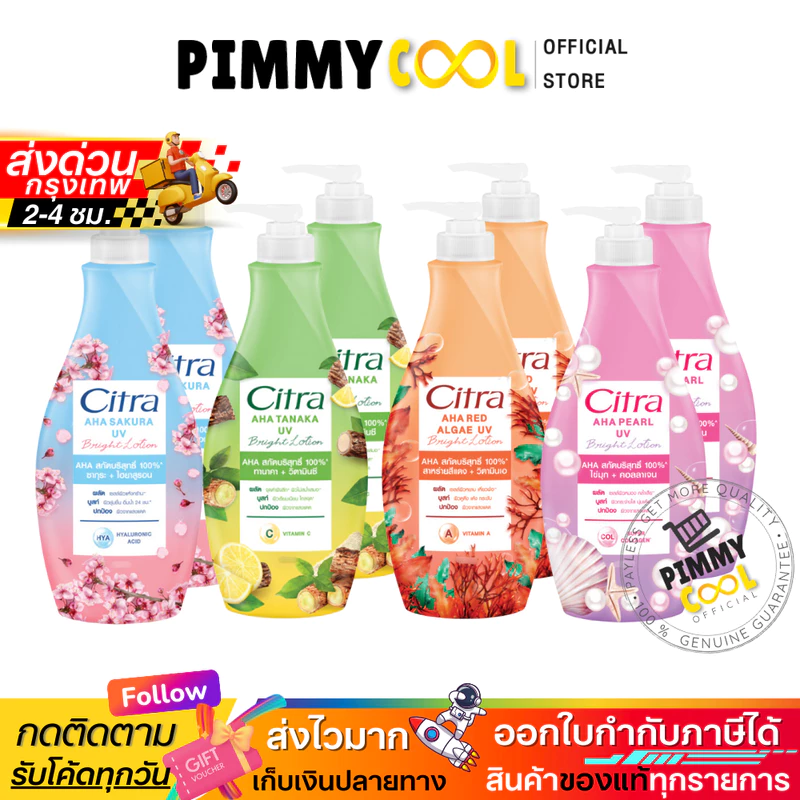
Product featured in this article: Citra Hya AHA UV Body Lotion, 300 ml
Products in this article
 -42%
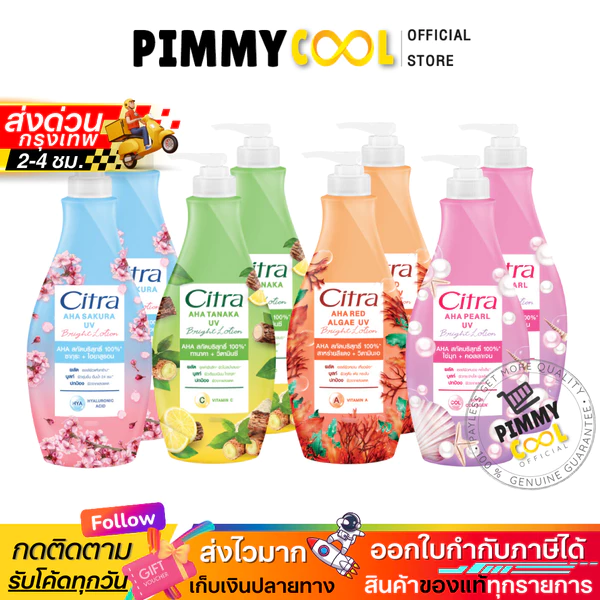
Citra Hya AHA UV Body Lotion, 300 ml
Citra AHA UV body lotion range with SPF, 300 ml
 -42%
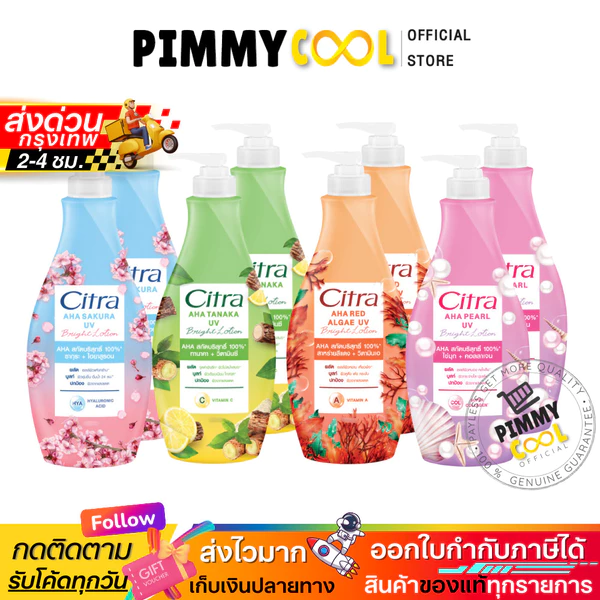
Citra Hya AHA UV Body Lotion, 300 ml
Citra AHA UV body lotion range with SPF, 300 ml
 -42%
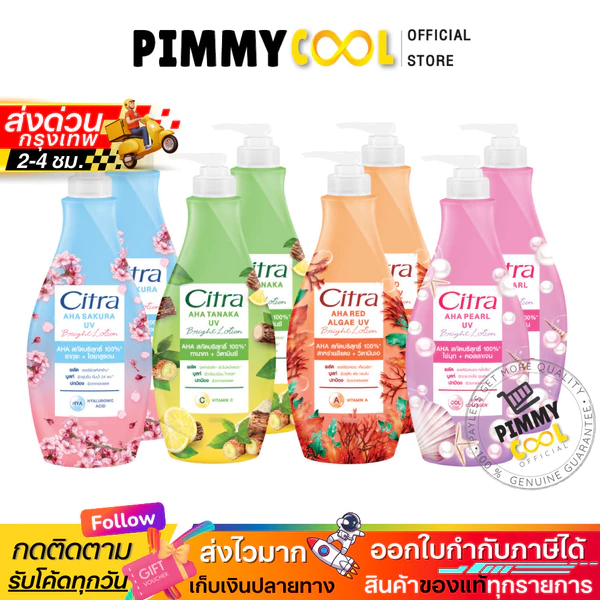
Citra Hya AHA UV Body Lotion, 300 ml
Citra AHA UV body lotion range with SPF, 300 ml