
Indonesia's Halal Deadline: What Thai Export Buyers Need to Know

Indonesia now requires halal certification on most cosmetics and personal care products sold in the country, with a deadline of 17 October 2026 for both imported and locally made goods under its Halal Product Assurance Law. For an international buyer sourcing Thai skincare, makeup, or hair care for the Indonesian market, that date changes which specific products can legally be sold there once it passes.
It helps to be clear on what this certificate actually is. It is not a food-safety or factory audit, and it is not the same as Indonesia's general import registration for cosmetics. It is a halal certificate issued through Indonesia's halal authority, BPJPH, tied to one specific product formulation and brand. Thai brands may already hold a separate halal mark issued at home by The Central Islamic Committee of Thailand (CICOT), which is voluntary and often used for products sold domestically or exported to Gulf buyers who ask for halal assurance. Whether a Thailand-issued certificate is recognized in Indonesia, and what additional registration is needed with BPJPH, varies by brand and product, so buyers should confirm the actual status with the supplier and the Indonesian importer rather than assume one certificate covers both markets.
Timing still matters, even once the deadline has passed. Halal certification is not a same-week process, and from the deadline onward a product that does not have it cannot legally be sold in Indonesia, so a brand that has not completed certification is simply not an option for that market until it does. If an order is destined for Indonesia, it is worth asking the supplier plainly: does this exact product line hold a current halal certificate, and is it recognized for Indonesia specifically, rather than only for Thailand or the Gulf. Ask for the certificate itself, matched to the SKU and batch, not just a brand-level claim.
This has a practical effect on sourcing. When a shipment combines products from several Thai brands for one buyer, certification status usually varies from item to item. Working out which SKUs are certified, and for which market, is now part of preparing the export file alongside the commercial invoice, packing list, and certificate of origin. A buyer who needs Indonesia-ready products only should say so at the quote stage, since it narrows the supplier list and can add lead time if a brand still needs to apply.
Outside Indonesia's binding deadline, the picture is softer but moving the same direction. Retailers and distributors in Gulf markets increasingly ask for halal assurance on personal care imports too, even where it is not yet a blanket legal requirement across every category. Rules differ by country and continue to change, so buyers should check current requirements with the destination market's own authority before finalizing an order rather than assuming one halal label covers every market.
Halal status is becoming one more line a buyer checks before confirming a Thai sourcing order, alongside product registration, ingredient lists, and lead time. For markets with a hard deadline like Indonesia, it is worth raising early rather than discovering at shipping time that a product cannot legally be sold where it is headed.
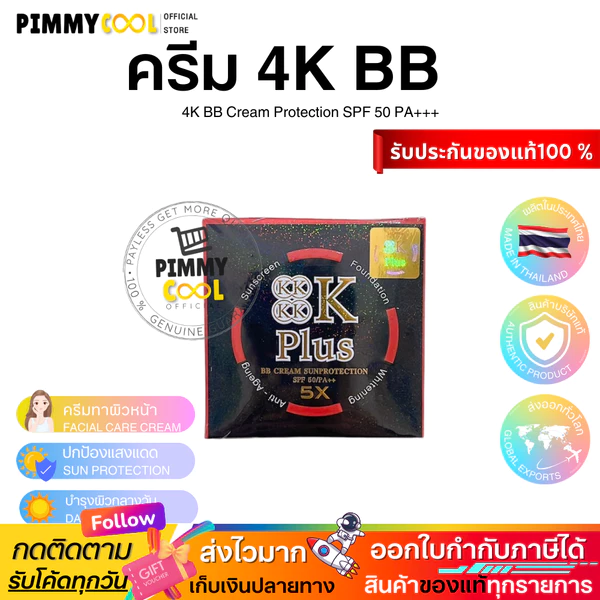
Product featured in this article: 4K Plus 5X BB Sunscreen Cream SPF 50 PA+++, 20 g
Products in this article
 -20%
4K Plus 5X BB Sunscreen Cream SPF 50 PA+++, 20 g
4K Plus 5X BB day cream with sun protection, 20 g
 -50%
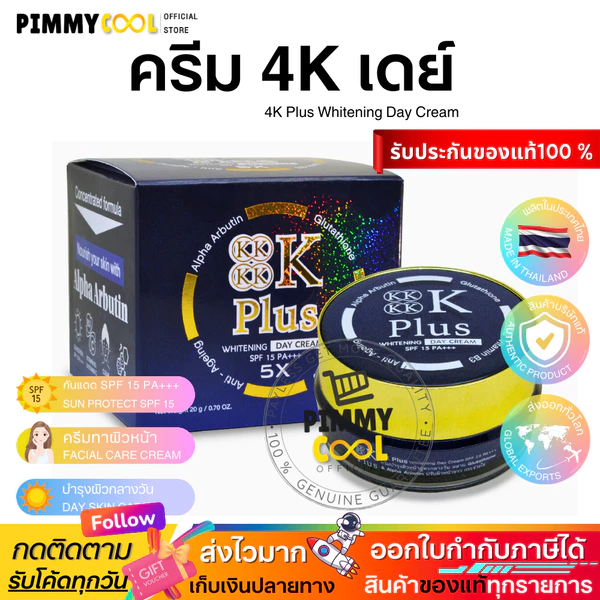
4K Plus 5X Day Cream, 20 g
4K Plus 5X day cream with alpha arbutin and SPF 15 PA++, 20 g
 -45%
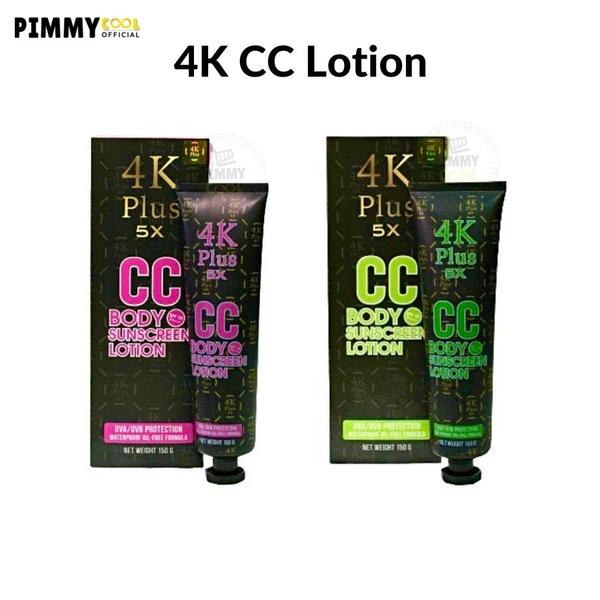
4K Plus 5X CC Body Sunscreen Lotion, 150 g
4K Plus 5X CC body sunscreen lotion in two tones, 150 g
 -53%
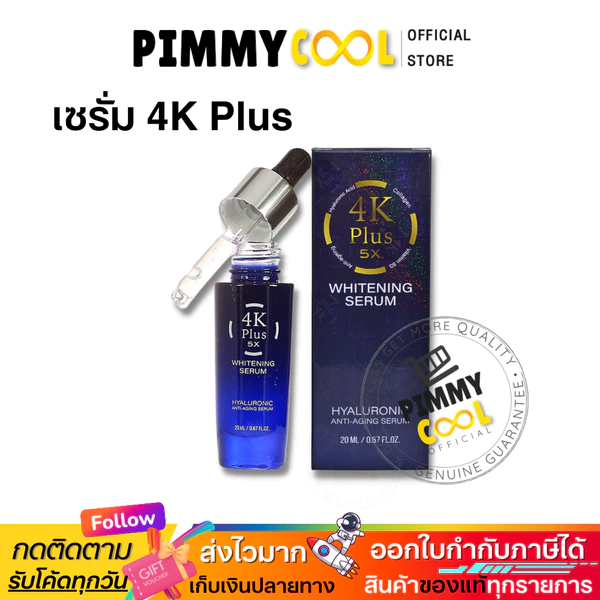
4K Plus 5X Collagen Whitening Serum, 20 ml
Concentrated 5X collagen facial serum, 20 ml