
MOQ, Packaging and Lead Times When Sourcing From Thailand

Overseas demand for Thai beauty and FMCG goods has kept climbing, and buyers across the Middle East, Europe, and Southeast Asia keep citing the same two reasons: product quality and price. But once a quote comes back, the number that actually decides whether a deal works is rarely the unit price. It is the combination of minimum order quantity, packaging specification, and lead time, and first-time buyers tend to ask about all three only after a quote already feels too high or too slow.
Minimum order quantity is set less by the brand than by whoever makes the packaging. A soap bar or a sachet tea that already ships in a standard pack can often be ordered in a smaller trial quantity, because the brand is just drawing from stock it already produces for the domestic market. A bottle that needs a new label, a new cap color, or a custom box usually carries a much higher MOQ, because the packaging supplier, not the skincare brand, has a print-run minimum that has nothing to do with how popular the product is. Always ask whether the quoted MOQ is per SKU or per total order, and whether a smaller first order is possible at a higher unit cost just to test a market before committing to a full container.
Packaging is where most lead-time surprises start. A Thai brand's standard retail pack, the one already sold in Thai stores, is almost always faster and cheaper to get than anything modified. Adding a second language to the label, printing a destination-market barcode, or changing the shelf-life statement to match a local rule is a packaging change, not a sticker that a freight forwarder can apply later. If a destination market requires bilingual labeling or a specific ingredient-list format, that has to be decided with the supplier before artwork is finalized, not after the goods are already packed.
Lead time behaves differently for a first order than for every order after it. The first run with any new supplier takes longer because samples need approval, any new printing plates or pouches need to be made, and a production slot has to be booked once specifications are locked. A reorder of the same product, same packaging, same quantity range is reliably faster, because none of that setup has to happen twice. A buyer who asks for a firm delivery date before the supplier has seen final artwork is usually asking the right question too early.
Few first-time buyers fill a shipment with a single Thai supplier's output. This is where sourcing and consolidation actually earn their keep: Pimmycool buys from several Thai suppliers against one buyer's list, holds the goods at a single point, and combines them into one shipment with one set of export documents. A buyer working with five small Thai suppliers directly would otherwise be managing five lead times, five invoices, and five customs declarations instead of one.
Before placing a deposit, ask the supplier for the standard MOQ and lead time on an unmodified pack, not a hypothetical custom run, and ask separately what changes if the first order is smaller than usual. Build the buying timeline assuming the first shipment will take longer than any reorder. Sorting this out early avoids the most common disappointment in Thailand sourcing: a quote that looked workable until packaging changes and a smaller trial order pushed out both the price and the date.
Product featured in this article: Moon JRT Jumbo Toilet Roll, 2-Ply, 300 m (Case of 12)
Products in this article
 -50%
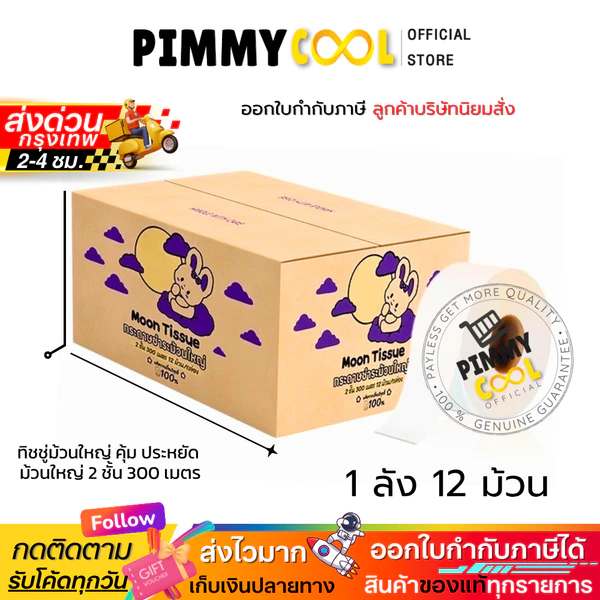
Moon JRT Jumbo Toilet Roll, 2-Ply, 300 m (Case of 12)
Jumbo roll toilet tissue, 2-ply, 300 m per roll, case of 12
 -50%
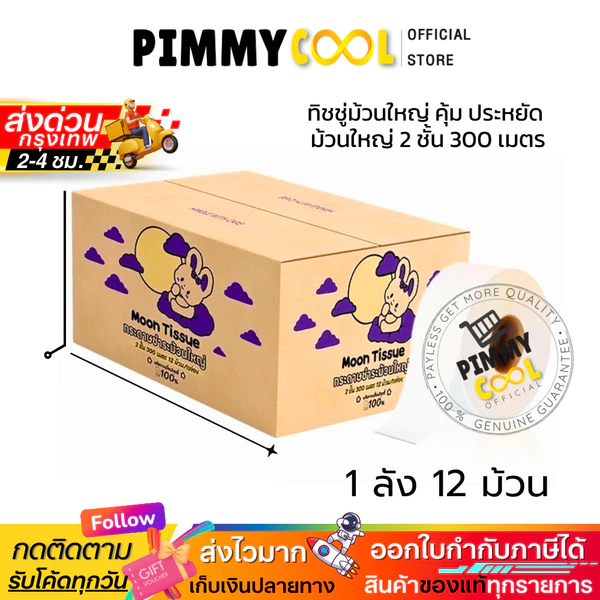
Moon JRT Jumbo Toilet Roll, 2-Ply, 300 m (Case of 12)
Jumbo roll toilet tissue, 2-ply, 300 m per roll, case of 12
 -50%
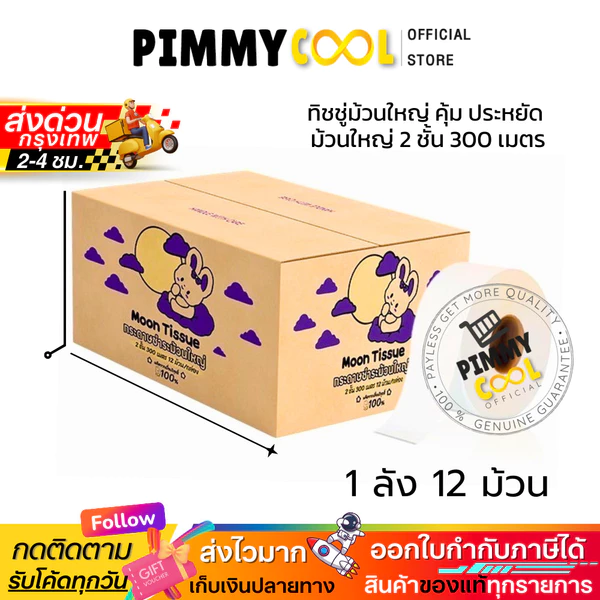
Moon JRT Jumbo Toilet Roll, 2-Ply, 300 m (Case of 12)
Jumbo roll toilet tissue, 2-ply, 300 m per roll, case of 12
 -50%
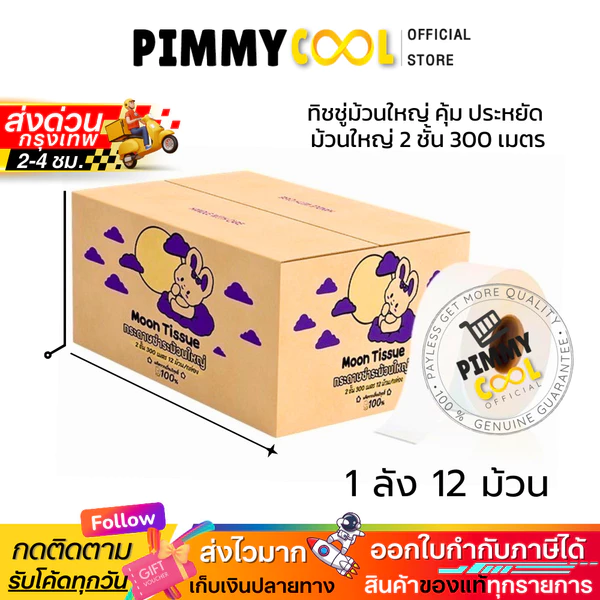
Moon JRT Jumbo Toilet Roll, 2-Ply, 300 m (Case of 12)
Jumbo roll toilet tissue, 2-ply, 300 m per roll, case of 12