Importing Thai Skincare Into the Philippines: What to Check First

The Philippines has become one of the more active ASEAN markets for Thai skincare, but before any shipment reaches a shelf there, it has to pass through a national product notification system that works differently from anything in Thailand itself. A buyer who has only sold into other regions is often surprised by how much of this work happens before the goods even leave Thailand.
The framework runs under the Philippine FDA and follows the ASEAN Cosmetic Directive, the same regional standard Thailand's own cosmetic rules are built on. In practice this means every cosmetic product needs a Certificate of Product Notification filed with the FDA, and the company filing it needs its own License to Operate, before that product can be sold or brought into the country.
The detail that catches first-time buyers off guard is who is allowed to file. A foreign brand or exporter cannot submit the notification directly — only a Philippine-based company, acting as the Market Authorization Holder, can hold the License to Operate and notify a product with the FDA. If a buyer does not already have a registered entity or an established local distributor in the Philippines, that relationship needs to be in place before an order is placed, not arranged afterward once the shipment has landed.
That changes what to ask, and when. A buyer should find out from their Philippine-side partner which products in a prospective order already carry an active notification and which would need a new filing, since that review runs on its own timeline, separate from production and shipping. On the Thai side, it helps to request the paperwork a notification usually depends on early — the full ingredient list, safety documentation, and anything that backs up a claim printed on the label — rather than assuming it can be assembled later from the product itself.
Labeling deserves its own check. The Philippines expects ASEAN-compliant labeling, and any claim on the packaging or in marketing copy needs to be something the product can actually support. A label that works for the Thai domestic market is not automatically acceptable once translated — wording, especially around what a product claims to do, is worth reviewing against what the destination market allows before it is printed on export packaging.
None of this is something a sourcing partner can file on a buyer's behalf — Pimmycool consolidates orders from Thai brands and suppliers and handles the export side, not product registration in the destination country, and the specifics of notification should always be confirmed directly with the Philippine FDA or a buyer's own local partner before volumes are committed. For buyers working through this process, it is worth building the order around products already listed with clear specifications, which makes it easier to hand the right documentation to a notification partner in the first place.
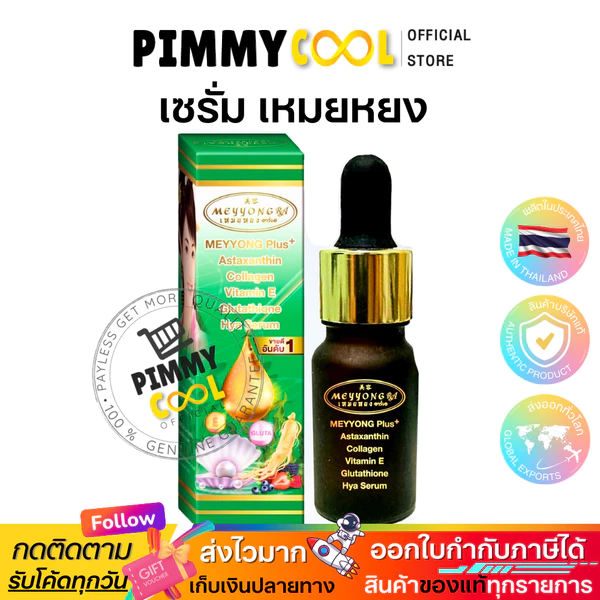
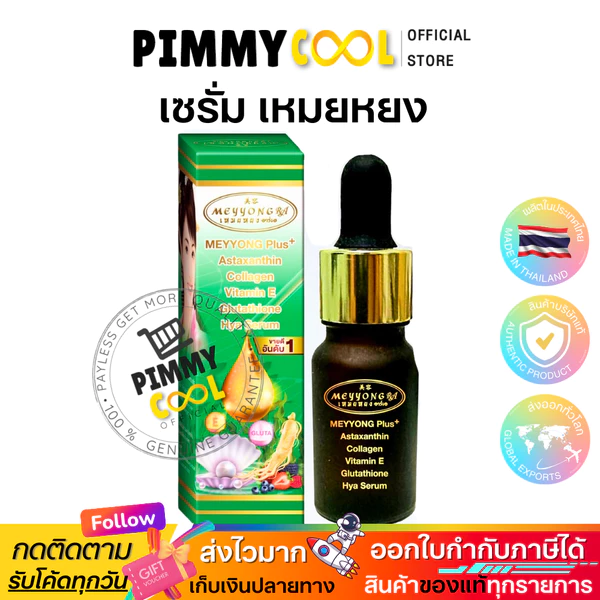
Product featured in this article: Meyyong Vitamin E Serum RA, 10 g