
Red Sea Disruption Still Shapes Thai Export Shipping in 2026

Ocean freight between Southeast Asia and the Gulf, the Mediterranean and Europe has been unusually unpredictable through 2026. Vessels that used to sail through the Suez Canal have spent most of the year going the long way, around the Cape of Good Hope, because of continued disruption in the Red Sea. A handful of carriers have started testing limited Red Sea sailings again in recent weeks, but as of late September most Asia-Europe and Asia-Gulf services are still routed around Africa. For anyone placing a wholesale order for Thai beauty or FMCG products, that routing decision shows up directly in two numbers: how long the shipment takes, and how much the freight line on the invoice costs.
The detour itself is significant. Sailing around the Cape instead of through Suez adds roughly ten to fourteen extra days at sea in each direction, plus a meaningful increase in fuel burn per voyage. Carriers have been passing that cost on through a mix of base rate increases, war-risk surcharges on the routes that do still pass near the Red Sea, and seasonal peak surcharges layered on top. The result is a freight market where the quote a buyer receives when placing an order can look different from the quote that applies when the container actually sails weeks later.
For a buyer sourcing a container or part-container of Thai goods, this volatility changes how the numbers should be planned. Freight used to be treated as close to a fixed cost per shipment; in 2026 it is closer to a variable that needs a buffer, both in the landed-cost calculation and in the delivery date given to a buyer's own customers. A quote that is a few weeks old is worth confirming again before an order is finalized, not assumed to still be current.
Consolidation is the practical lever most buyers already have. Freight cost is largely fixed per container regardless of what is inside it, so spreading that cost across more products, from more Thai suppliers, in a single shipment lowers the freight cost carried by each item. This is one of the reasons wholesale buyers increasingly ask a Thai export partner to combine several brands into one shipment rather than booking a separate, smaller container for each supplier.
This is the role Pimmycool plays for buyers: consolidating orders across a range of Thai beauty and FMCG suppliers into a single export shipment, and handling the paperwork that goes with it. It does not change the underlying freight market, but it does mean a buyer is not absorbing the full cost of a Cape-of-Good-Hope routing on a single small order.
Buyers ordering into the Gulf or Europe this year should build a wider window into their launch and restock planning than they might have a couple of years ago, ask their supplier or export partner for a freight quote dated close to the actual booking rather than the order date, and check which routing that quote assumes. None of this is unique to Thailand, but it applies directly to any Thai order moving through these lanes right now.
Product featured in this article: Max Curve Instant Coffee, 150 g (6-Pack)
Products in this article
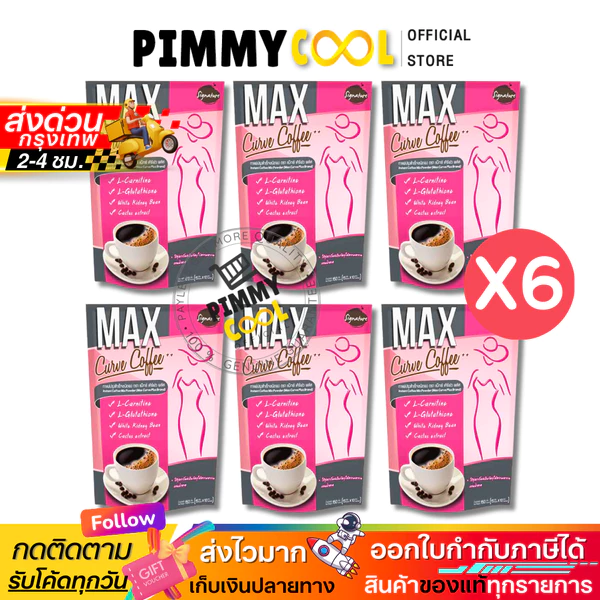
Max Curve Instant Coffee, 150 g (6-Pack)
Sugar-free instant coffee sweetened with sucralose, 150 g

Max Curve Instant Coffee, 150 g (2-Pack)
Sugar-free instant coffee sweetened with sucralose, 150 g
 -30%
Max Curve Instant Coffee, 150 g (1 Large Pack)
Sugar-free instant coffee sweetened with sucralose, 150 g

Max Curve Instant Coffee, 150 g (3-Pack)
Sugar-free instant coffee sweetened with sucralose, 150 g