
Exporting Thai Beauty Products to the UAE and the Gulf

Thai beauty products are increasingly showing up on shelves and in distributor catalogues across the United Arab Emirates and the wider Gulf region. For a buyer weighing whether to add a Thai skincare, cosmetics or personal-care line to their range, the appeal usually comes down to three things: a wide product selection, competitive pricing across categories, and a Thai export sector that already knows how to pack and ship small-to-mid volume orders internationally. Pimmycool works on the sourcing side of that relationship: buyers describe what they need, and we identify, quote and consolidate shipments from Thai brands and suppliers, not as a manufacturer ourselves.
Thailand's domestic beauty market is large and varied, so there is depth well beyond a handful of famous brands. Skincare, body lotions, hair care and colour cosmetics are all produced at scale by Thai suppliers serving the local market and neighbouring Southeast Asian countries, so most categories already exist at several price tiers. That range matters for a Gulf buyer building a shelf set rather than launching a single hero product: it is usually possible to source a fuller assortment, from face serums to body creams, without switching country or supplier for each category.
Buyers in the UAE and the wider Gulf tend to ask different questions than buyers in Europe or North America. Halal status is one of the more consistent ones: regional demand for halal-certified or halal-conscious beauty products has been rising, and the Gulf Cooperation Council recently agreed a shared halal cosmetics standard meant to let certification carry across member states rather than being negotiated country by country. Gift-suited packaging and multi-item bundles are another recurring preference, since beauty products are commonly bought and given as gifts in the region. And because many Gulf buyers plan to distribute beyond their home market into neighbouring GCC countries, they often want to know early whether registration and labelling has to be repeated per market or can largely carry over.
Registration is where buyers most need to do their own homework rather than lean on a supplier's word. In the UAE, cosmetics generally need to be registered with the relevant health or standards authority before sale, and requirements commonly include a full ingredient list in the internationally recognised INCI format, safety documentation from the brand, and Arabic-language labelling with usage instructions. Which body handles registration, how long it takes, and exactly what is required can differ between emirates and between GCC countries, and the rules change over time. None of this can be certified by a trading partner on a buyer's behalf; it has to be confirmed directly with the buyer's own national authority, customs broker, or a local regulatory consultant before a launch date or a large order is committed to.
A first order into the region is usually a small, deliberately conservative trial rather than a full container. A buyer typically shortlists a handful of products across one or two categories, requests samples and full documentation, including ingredient lists, safety data sheets and shelf-life information, and uses that window to start the registration conversation with their own authority in parallel. Minimum order quantities are set by each Thai brand or supplier individually and vary by product type, so a workable trial often mixes several SKUs from different suppliers into one consolidated shipment to make the freight and paperwork worthwhile, on terms commonly agreed FOB from a Thai port. Two details are worth confirming before goods are booked: remaining shelf life at import, since many markets set a minimum on arrival, and whether the ingredient documentation received is complete enough to actually support a registration filing, since a partial or outdated list is a common cause of delay.
Treating the first shipment as a test of the whole process, covering sourcing, documentation, registration and sell-through, rather than a race to full volume, tends to produce a steadier second and third order. Pimmycool's role stays on the sourcing and export side: finding suitable Thai suppliers, gathering the documentation a buyer needs to start their own registration process, and consolidating a shipment sized for a first trial. The registration and labelling decisions themselves always sit with the buyer and their own market authority.
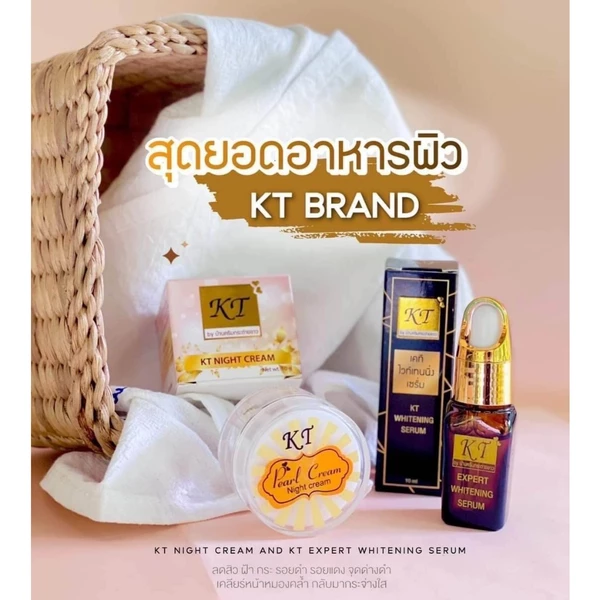
Product featured in this article: KT Gold White Rabbit Face Serum
Products in this article
 -31%
KT Gold White Rabbit Face Serum
KT Gold facial cream and vitamin C whitening serum, 10 g and 10 ml
 -43%
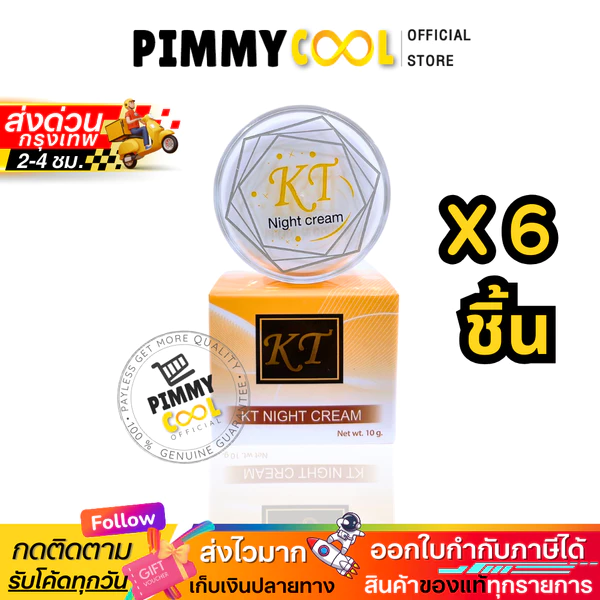
KT Gold White Rabbit Night Cream, New Formula, 10 g (6-Pack)
KT Gold night cream with a moisture-veil texture, 10 g
 -23%
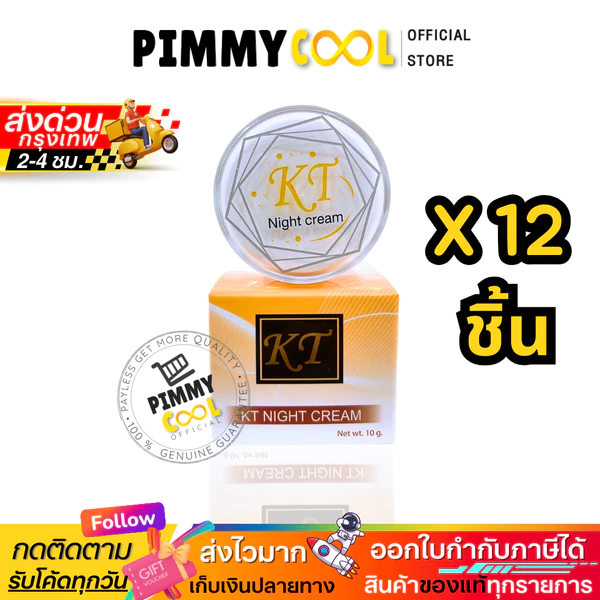
KT Gold White Rabbit Night Cream, New Formula, 10 g (12-Pack)
KT Gold night cream with a moisture-veil texture, 10 g
-58%KT Gold White Rabbit Face Cream, 10 g (12-Pack)
KT Gold facial cream with a moisture-veil texture, 10 g