
Export Readiness Checklist for a Thai Brand
Many Thai brand owners want to try exporting their products, but are not sure whether their product is actually ready for it. There is no single, fixed definition of "export ready," but there are a few practical points a brand can check on its own before going further.
The first thing to look at is registration with the relevant Thai authority. If the product falls into a category such as cosmetics or supplements — for example, vitamin C capsules — it generally needs a valid registration number from the Thai FDA (อย.) already in place, since this document is commonly requested during the export process. Exact requirements, including which documents are needed, how long approval takes, and what it costs, vary by product type and change over time, so a brand should confirm these details directly with the Thai FDA rather than relying on a general article like this one. Nothing here should be treated as legal or regulatory advice.
Stock consistency matters too. A brand that frequently runs out of stock creates friction when talking to an overseas wholesale buyer, because buyers typically place one large order at a time and want confidence that it will actually be fulfilled on schedule. If a product is still made only to small, irregular domestic orders, it helps to stabilize supply before pursuing export conversations.
MOQ, or minimum order quantity, is another number a brand should know in advance: its own minimum batch size or minimum order quantity it can commit to. Export buyers usually order at wholesale volumes, not single units, so knowing this figure ahead of time makes conversations move faster and avoids going back and forth to check it later.
Having clean product information ready also speeds things up. Useful basics include the ingredient list, net weight, and the maker's name as shown on the label. Export documentation has to be prepared fresh for each shipment, and when this information is scattered or does not match the actual label, it slows the whole process down.
Brands that have so far sold mostly by word of mouth, without a formal system of invoices and receipts, or without Thai FDA registration where it applies, may need to put this basic paperwork in place first before being considered for export. This is a general fact about how the export process tends to work, not specific legal advice for any one brand.
Pimmycool buys goods from Thai brands at wholesale prices, consolidates them into shipments, prepares the paperwork involved, and ships them on to buyers abroad. A brand that has already checked the points above — registration status, stock consistency, its own MOQ, and clean product data — tends to move through that process faster.
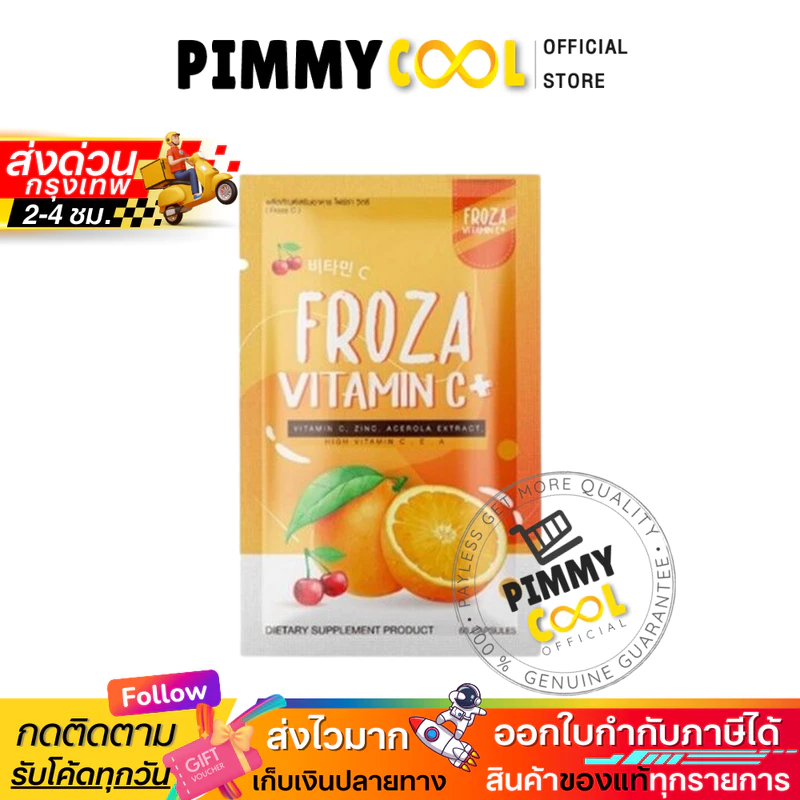
Product featured in this article: Froza Vitamin C Plus, 60 capsules (Orange)
Products in this article
 -49%
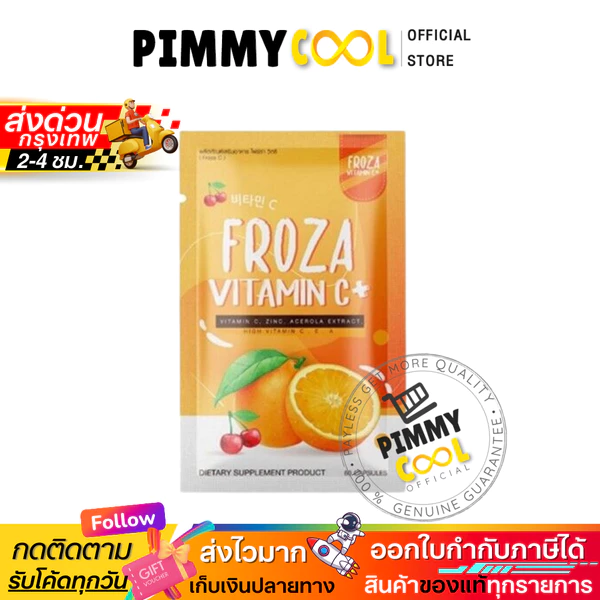
Froza Vitamin C Plus, 60 capsules (Orange)
Froza Vitamin C Plus with zinc and acerola, 60 capsules
 -49%
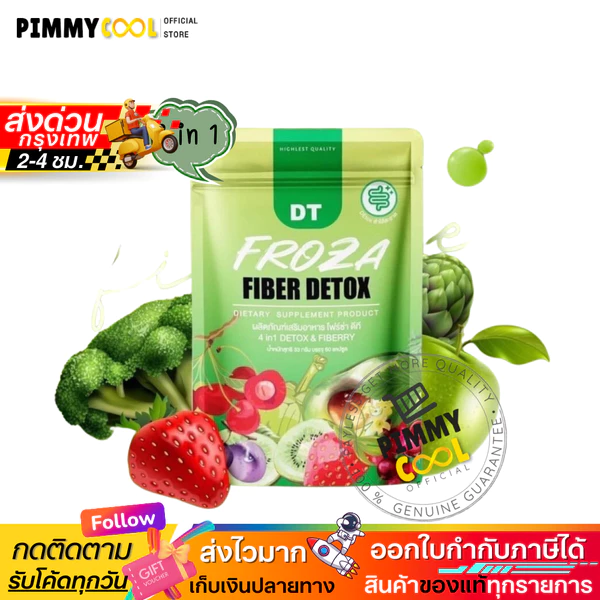
Froza Fiber Detox Fruit and Vegetable, 60 capsules (Green)
Froza Fiber Detox high-fibre fruit and vegetable capsules, 60 capsules
 -40%
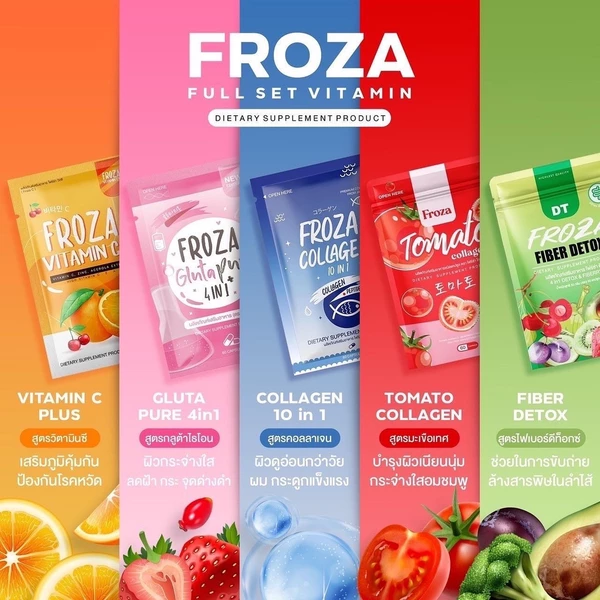
Froza Full Set Skin Vitamin, 60 capsules
Froza skin vitamin range, five formulas, 60 capsules each
 -40%
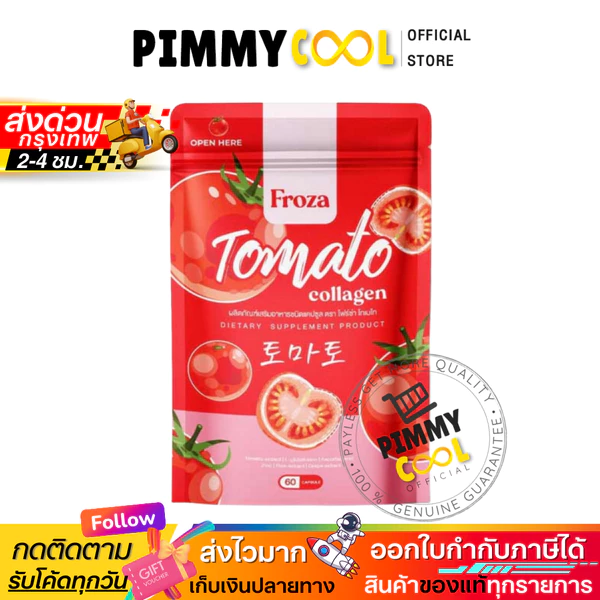
Froza Tomato Collagen, 60 capsules (Red)
Tomato and collagen supplement with lycopene, 60 capsules per bottle