
Sourcing an Existing Thai Brand vs. Commissioning Your Own

When international buyers start sourcing Thai beauty products, they generally end up choosing between two different paths. One is buying products that already exist as a Thai brand, already formulated, already selling in the domestic market. The other is commissioning a Thai factory to produce something under the buyer's own label. The two paths lead to very different paperwork, timelines, and ongoing compliance work, and it is worth understanding the difference before committing to either one.
Every cosmetic sold in Thailand goes through a notification process with the Thai FDA. It is not a full license in the way a drug registration would be, but it does require a Thai-registered company to hold the permit, a complete formulation with ingredient names and concentrations, and Thai-language labeling applied within a set window after import. Once issued, that notification is valid for three years before it needs renewing. This is the paperwork layer that sits behind every cosmetic already on a Thai shelf.
For a buyer sourcing an existing, already-selling brand — which is the more common route when working through a sourcing and export partner rather than a factory directly — that domestic notification work is already done. What the buyer actually needs to verify shifts elsewhere: whether the ingredient declaration on the packaging matches a form the destination market will accept, whether the formulation shown to the buyer is the current one and not an older batch, and whether the supplier can confirm the product is still actively notified rather than something pulled from the market.
Commissioning your own formulation is a different kind of relationship, and a slower one at the start. A new formulation made for a buyer's own brand typically needs its own Thai notification before it can be legally sold in Thailand, on top of whatever registration the destination country requires separately. That sequencing adds real lead time before a first shipment is realistic, and factory relationships generally only make economic sense once order volumes are large enough to justify the setup cost and minimum runs involved.
On the product side, brightening and multi-functional skincare remains one of the more active categories coming out of Thailand at the moment — formulations built around actives like arbutin, vitamin C derivatives, and niacinamide, frequently positioned to combine treatment and everyday base care rather than sold as a separate step. Buyers testing a new market for the first time are usually better served starting with an established, already-notified product in this category than with a bespoke formulation that has not been through the process yet.
None of this substitutes for checking the destination market's own rules. A Thai notification confirms a product can legally be sold inside Thailand — it says nothing about customs clearance, labeling, or registration requirements once the shipment lands somewhere else. Buyers should ask their supplier for the current ingredient declaration on any product they are considering, and confirm separately, with their own market's regulator, what re-registration or relabeling is actually required on arrival.
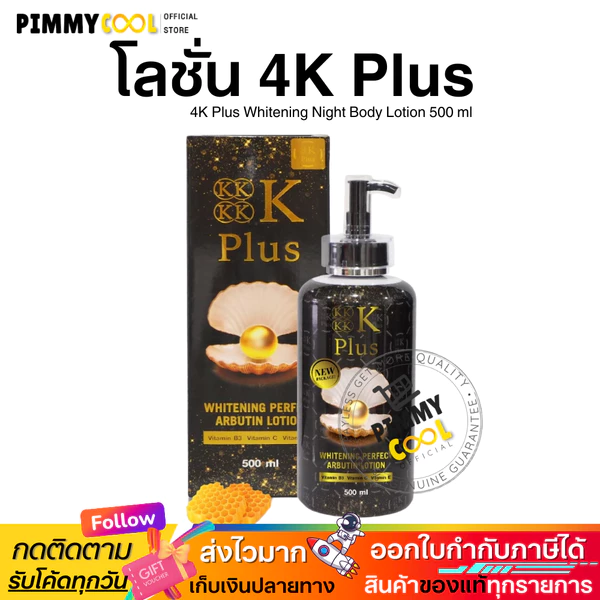
Product featured in this article: 4K Plus 5X Whitening Glutathione Body Lotion, 500 ml
Products in this article
 -54%
4K Plus 5X Whitening Glutathione Body Lotion, 500 ml
4K Plus 5X glutathione body lotion with honey scent, 500 ml
 -50%
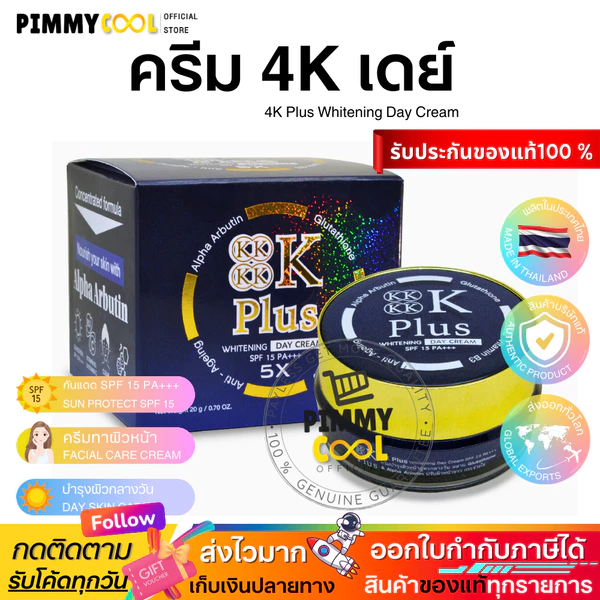
4K Plus 5X Day Cream, 20 g
4K Plus 5X day cream with alpha arbutin and SPF 15 PA++, 20 g
 -45%
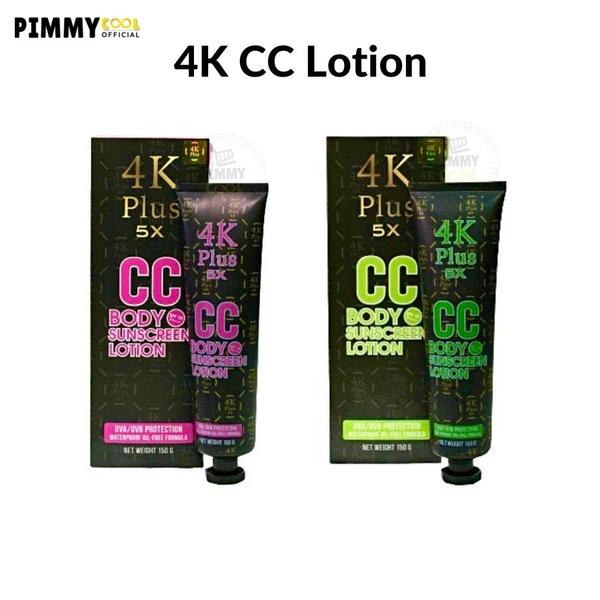
4K Plus 5X CC Body Sunscreen Lotion, 150 g
4K Plus 5X CC body sunscreen lotion in two tones, 150 g
 -20%
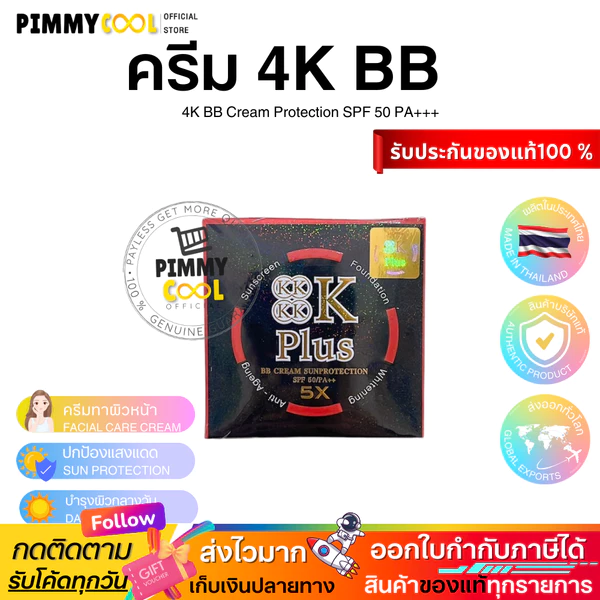
4K Plus 5X BB Sunscreen Cream SPF 50 PA+++, 20 g
4K Plus 5X BB day cream with sun protection, 20 g