
Thai Herbal Skincare Exports: What First-Time Buyers Should Check

Thai beauty exports keep leaning on an identity the industry calls T-Beauty — formulas built around herbal and botanical ingredients, light textures suited to a tropical climate, and increasingly visible at international trade shows. For buyers sourcing from Thailand, that identity is less a marketing label and more a sourcing category: herbal creams, extract-based serums, and botanical hair and body care sit alongside the more familiar mainstream skincare SKUs, and demand for the natural end of that range has been climbing steadily in overseas markets.
That demand shows up clearly in Gulf markets, where self-care spending is rising and natural or organic skincare claims resonate with buyers who are already selective about ingredient lists. The pull is real, but so is the paperwork: each destination country runs its own cosmetics registration process, and the requirements and costs differ noticeably between Gulf countries. Thai exporters have described Saudi Arabia's process as costly and document-heavy, with some neighboring markets seen as simpler to clear. None of this is advice on how to complete a registration — that always sits with the importing country's own health or standards authority — but it is a reason to ask early, before a shipment is packed, rather than after.
For a herbal cream or a botanical tonic specifically, a first-time buyer's supplier questions look a little different from a standard skincare SKU. Ask what the Thai brand lists as the active herbal ingredients and whether that ingredient list is fixed or seasonal — some botanical extracts vary by harvest. Ask for the product's existing Thai FDA notification number, since that paperwork is often the starting point a destination-market authority will ask to see. And ask about shelf life and storage: herbal formulations can be more sensitive to heat and light in transit than a synthetic one, which matters for sea freight to a hot climate.
Packaging is worth a separate line of questions. A herbal cream brand built for the domestic Thai shelf may use carton art, batch coding, or a jar size that was never designed with an export label or a different script in mind. Buyers who ask a Thai supplier early whether outer cartons can carry a second label, or whether a smaller or larger pack size exists, save themselves a relabeling step later. None of this is unique to herbal products, but the category's smaller, less globally standardized brands make it more likely to come up.
This is where consolidation does real work. A buyer rarely wants just one herbal cream SKU — more often it is a handful of botanical creams, a hair tonic, and a supplement line, each from a different Thai brand with its own minimum order quantity and lead time. Pimmycool's role is to place those orders with the Thai suppliers, bring the cartons together into one shipment, and prepare the export documents so the buyer deals with one consolidated consignment instead of several separate ones arriving on different schedules.
The practical takeaway for a buyer evaluating the herbal and natural segment of Thai beauty right now: treat the ingredient story as a selling point to confirm with your own market's cosmetics authority, not a shortcut past due diligence. The category is growing because the underlying products answer a real preference, not because registration has gotten easier anywhere in the region.
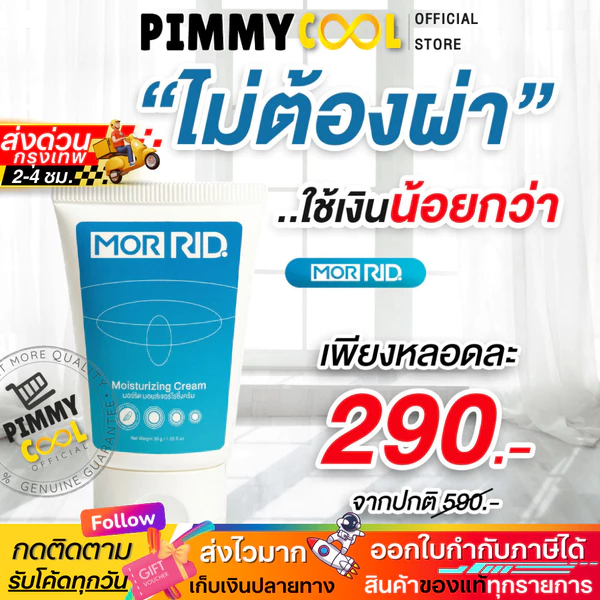
Product featured in this article: Mor Rid Herbal Cream, 30 g
Products in this article
 -38%
Mor Rid Herbal Cream, 30 g
Mor Rid herbal cream, 30 g
 -36%
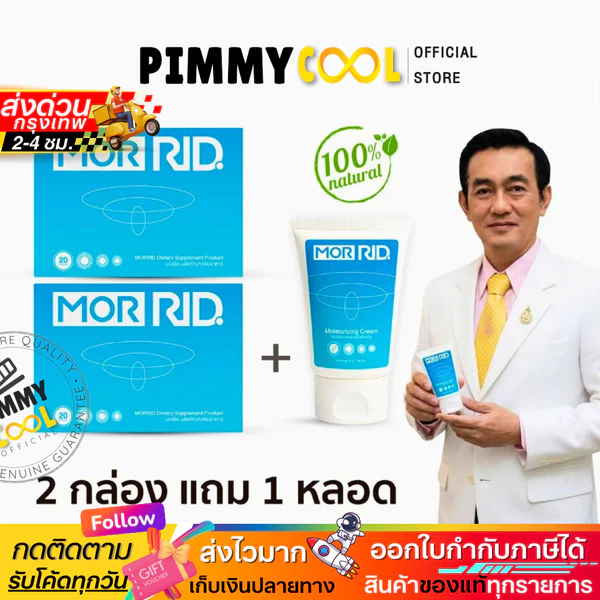
Mor Rid Haemorrhoid Set: Capsules and Cream (Buy 2 Get 1)
Mor Rid herbal haemorrhoid set: 20 capsules plus 20 g cream
 -36%
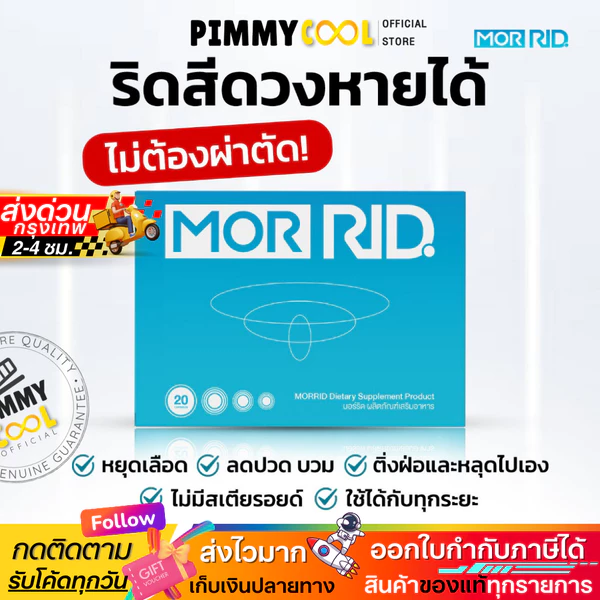
Mor Rid Herbal Haemorrhoid Capsules, 20 capsules (Buy 2 Get 1)
Mor Rid herbal capsules for haemorrhoids, 20 capsules
 -38%
Mor Rid Herbal Cream, 30 g
Mor Rid herbal cream, 30 g