
Thailand's Beauty Export Scene Just Got More Competitive

Bangkok hosted the region's largest beauty trade show again this year, and by most accounts it was bigger than the one before it: more exhibitor booths, more halls, and a noticeably larger crowd of buyers flying in from outside Southeast Asia. For anyone who has been quietly sourcing Thai skincare, haircare, or personal care products for a few years, the shift is hard to miss. Thailand is no longer treated as just a regional supplier. It is increasingly a first stop for buyers scouting the wider Asian beauty market.
The pull is straightforward. Thailand's domestic beauty market keeps growing, and export demand has grown alongside it, spread across a wide range of destinations rather than concentrated in one or two countries. That combination gives Thai brands and suppliers a reason to keep investing in packaging, formulation, and export-ready documentation, which in turn makes them more attractive to buyers outside the region, in the Gulf, in South Asia, in Europe, who are now showing up at the same trade shows and reaching out to the same suppliers.
For a wholesale buyer, more attention on Thai suppliers is good news and a complication at the same time. Good news because it means more product choice, more suppliers used to working with export paperwork, and more categories maturing beyond the basics. The complication is that popular suppliers now field more enquiries than they used to, and the ones getting the most attention are not always quick to answer a cold message with no context. Buyers who show up with a vague idea and no clear specification tend to sit at the back of the queue.
Categories worth watching for anyone building a Thai sourcing list right now include sun care, hair treatment products, and personal care items built around familiar Thai ingredients: rice, centella, tamarind, and coconut show up again and again in new launches. On the cost side, buyers should not assume that a quote from a year ago still holds. Export pricing for Thai cosmetics has generally been trending upward over the past few years, so it is worth asking suppliers for a current quote rather than budgeting off old numbers.
The practical response to a more competitive sourcing environment is to plan earlier rather than later. Have a shortlist of suppliers before you need product, not after. Send a specification, product type, pack size, label language, target market, instead of asking what a supplier has available. And if you are managing multiple products from multiple Thai brands, working with a sourcing and export partner who can consolidate the shipment and handle the paperwork saves the kind of back-and-forth that eats weeks when suppliers are already busy.
None of this means Thailand has become a hard market to buy from. It means the easy, reactive way of sourcing, messaging a supplier once demand spikes and hoping for a fast reply, is getting less reliable. Buyers who treat Thai sourcing as an ongoing relationship, built before they urgently need stock, will keep getting good terms and steady supply even as the market gets more crowded.
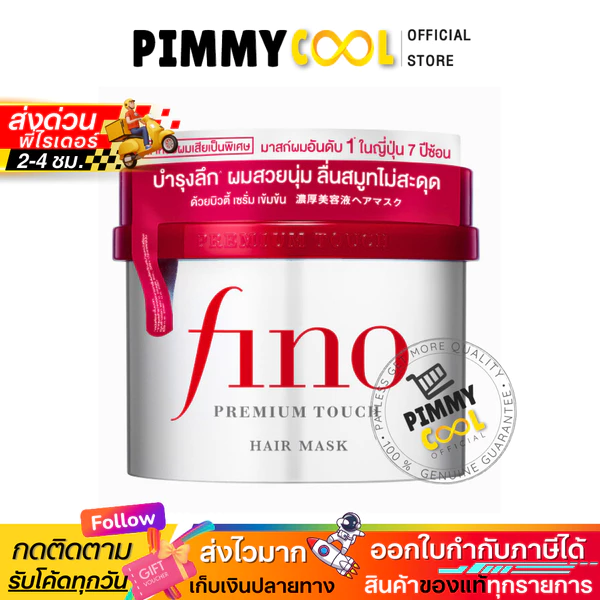
Product featured in this article: Shiseido Fino Premium Touch Hair Mask, 230 g
Products in this article
 -64%
Shiseido Fino Premium Touch Hair Mask, 230 g
Shiseido Fino Premium Touch hair mask, 230 g
 -64%
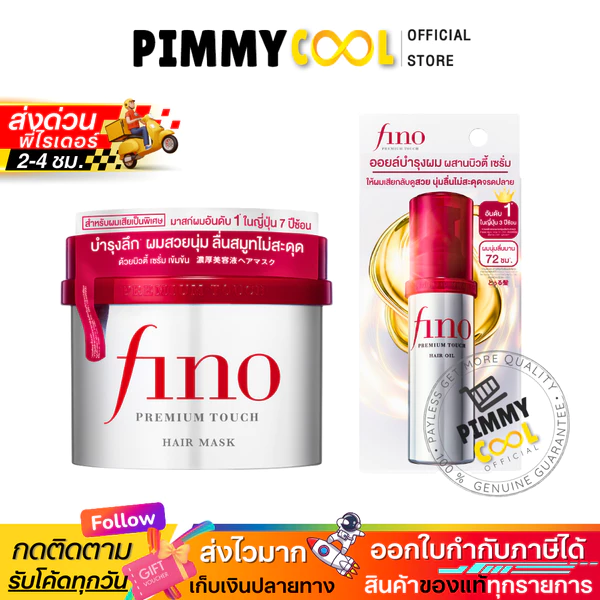
Shiseido Fino Premium Touch Hair Mask Oil
Shiseido Fino Premium Touch hair mask, 230 g
 -58%
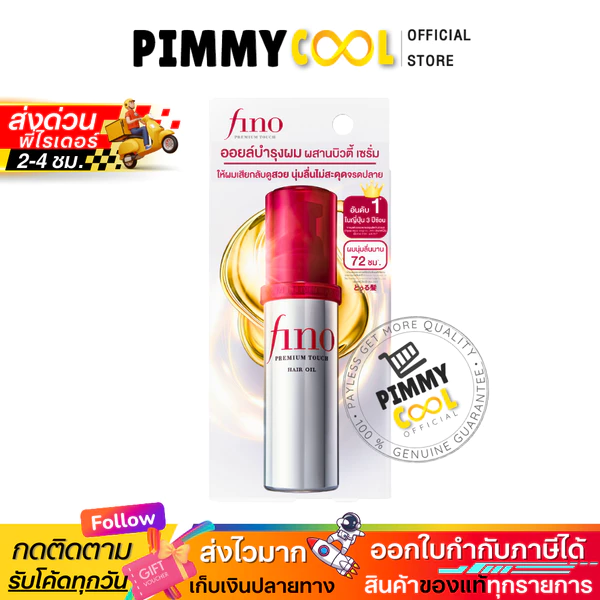
Shiseido Fino Premium Touch Hair Oil, 70 ml
Shiseido Fino Premium Touch hair oil, 70 ml