
Thailand's Updated Banned Ingredient List: A Buyer's Checklist

Thailand's Ministry of Public Health updates the list of substances banned from cosmetics every so often, and the most recent round took effect in the middle of 2026: roughly two dozen new substances added, plus revisions to three that were already on the list. For an overseas buyer working with Thai skincare and personal care brands, the practical takeaway is simple — a formulation that cleared the bar last year is not automatically clear today.
This matters because compliance is not a single checkbox. Thailand's own list is one layer. The destination market a buyer is importing into usually keeps a separate list of its own — the Gulf states, the EU, and plenty of other markets all maintain their own restricted-substance rules, and a product that is fine for the Thai domestic market does not automatically clear customs or a cosmetic registration process somewhere else. Each side of the shipment has its own rulebook.
For a first-time or repeat buyer, that turns into a short, practical set of questions to put to a Thai supplier before confirming an order: what is the current full ingredient list (INCI), when was it last checked against the latest Thai notification, and does the brand hold a current Thai FDA cosmetic notification for that specific formulation. None of that guarantees clearance in the buyer's own country, but it is a reasonable baseline signal that a brand keeps its paperwork current rather than running on an old registration.
When a shipment for export bundles products from a few different Thai brands into one consolidated load, part of the groundwork before anything goes into a container is collecting what each brand already holds — certificates of free sale, ingredient lists, safety data sheets — and flagging anything that looks out of date before it ships. Chasing an updated document before a container leaves is a far smaller problem than a batch getting held at the other end because the paperwork didn't match what regulators expect.
There's a second trend worth watching alongside the ingredient updates. Thai beauty trade events this year showed more brands leaning into naturalness and sustainability claims, with growing interest in stricter natural-cosmetic certification as companies try to move their products up-market for export. That's a reasonable thing for a buyer to ask a supplier about directly — a "natural" claim on packaging and a certificate backing it up are two different things, and it's worth knowing which one a given brand actually has.
None of this is legal advice, and the Thai FDA — or the buyer's own country regulator — is the authority to confirm against, not a supplier's sales team and not a sourcing partner. But asking these few questions before an order is confirmed is the kind of groundwork that keeps a shipment moving toward a shelf instead of sitting at a border.
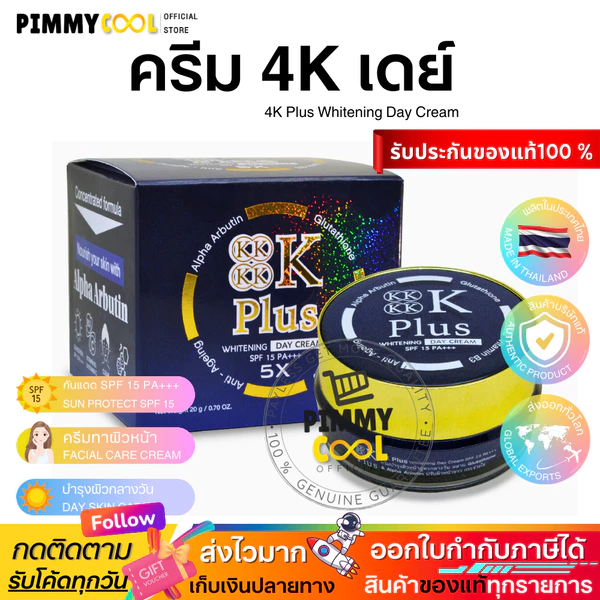
Product featured in this article: 4K Plus 5X Day Cream, 20 g
Products in this article
 -50%
4K Plus 5X Day Cream, 20 g
4K Plus 5X day cream with alpha arbutin and SPF 15 PA++, 20 g
 -45%
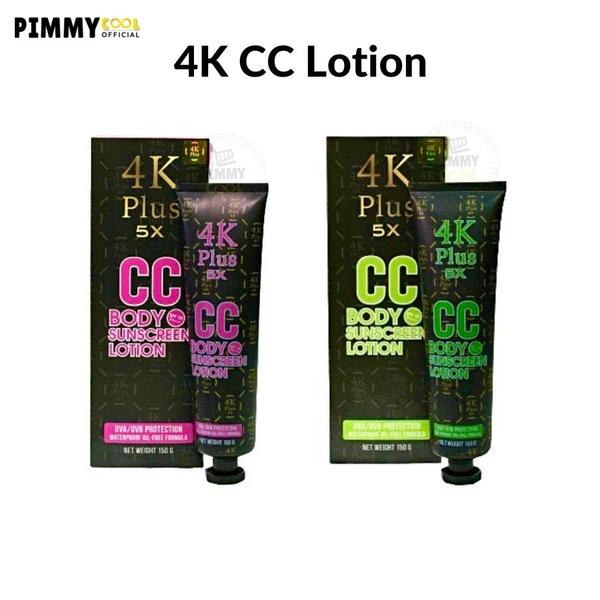
4K Plus 5X CC Body Sunscreen Lotion, 150 g
4K Plus 5X CC body sunscreen lotion in two tones, 150 g
 -20%
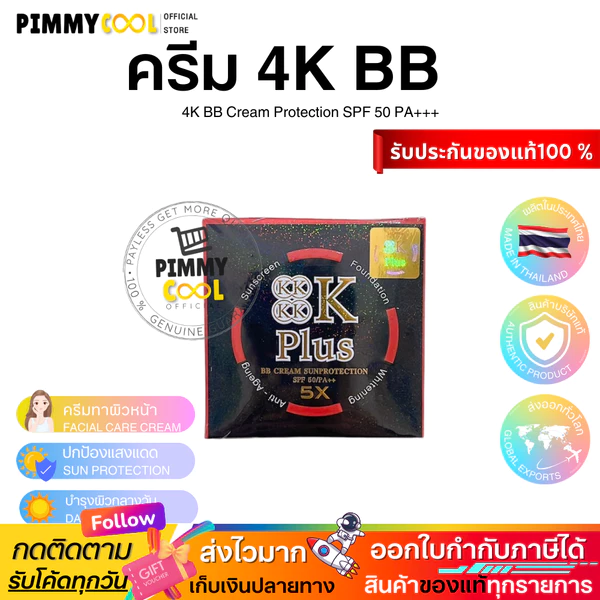
4K Plus 5X BB Sunscreen Cream SPF 50 PA+++, 20 g
4K Plus 5X BB day cream with sun protection, 20 g
 -53%
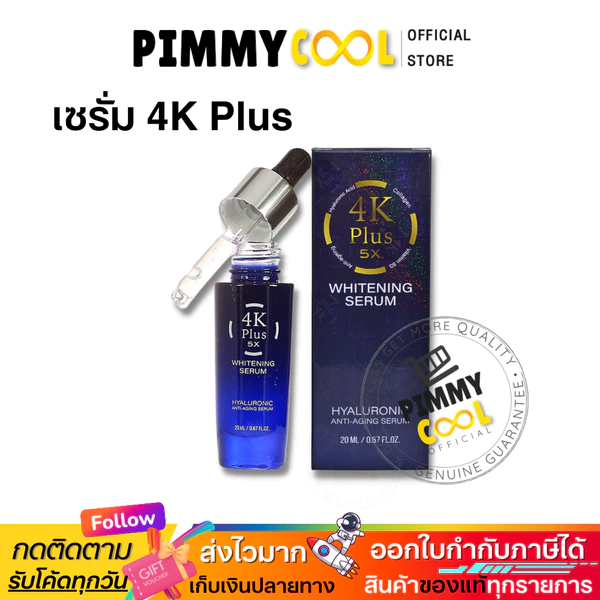
4K Plus 5X Collagen Whitening Serum, 20 ml
Concentrated 5X collagen facial serum, 20 ml