
Thailand-to-Gulf Shipping: What FMCG Buyers Should Know Now

Shipping between Thailand and the Gulf went through a rough patch this year. Earlier in 2026, exports to the Middle East dropped sharply as regional tensions disrupted routes through the Strait of Hormuz, pushing up freight costs and stretching transit times on a corridor that moves a lot of Thai consumer goods. By mid-year, trade officials were describing the situation differently: tensions easing, shipping costs drifting back toward where they were before the disruption. For a buyer who paused Gulf orders during the worst of it, this is close to the moment to look again, not because every number is back to normal, but because the trend line has turned.
This matters more for beauty and household FMCG shipments than the headline trade figures suggest. Skincare, personal care items, and the household staples that usually travel in the same container, such as laundry detergent, paper goods, and coffee sachets, move almost entirely by sea freight, in shared or consolidated containers. A macro swing in regional shipping costs or a reroute away from a contested strait does not show up as an abstract statistic for this kind of cargo. It shows up as a two-week slip in an arrival date, or a freight line item that no longer matches the quote from six months ago.
If you are sourcing from Thailand for a Gulf market right now, the first thing to ask a supplier or forwarder is not "what's your price" but "what's your routing, and is your lead-time quote based on this month's conditions or last year's." A forwarder who can tell you plainly whether a shipment goes through a transshipment hub that added time during the disruption, versus a route that has reverted to its pre-disruption path, is giving you something more useful than a confident number. Ask for lead time as a range with a stated as-of date, not a single figure carried over from an old rate sheet.
Consolidation is the practical lever most small and mid-size buyers have during a period like this. Instead of waiting to fill a container with one category, combining a skincare order with household items, the kind of everyday goods that already travel well together, like concentrated liquid detergent or packaged paper products, spreads the fixed cost of the container across more product value. That matters more, not less, when freight rates are moving. It also means a single consolidated shipment can clear customs as one declaration, rather than several smaller ones arriving at different times.
Whatever the mix of goods, build in time for paperwork on both ends. Thailand's export documentation, such as the commercial invoice, packing list, and certificate of origin where relevant, needs to be ready before the shipment is booked, not after. On the receiving side, cosmetics and some personal care categories can carry registration or labelling requirements that vary by destination market. Buyers should confirm the current rules directly with the relevant authority or a local customs broker rather than assume last year's requirements still apply, since markets update these rules without much public notice.
None of this means Gulf sourcing is back to where it was before the disruption, and no supplier can honestly promise that it is. What has changed is that the direction is now favorable rather than uncertain, which is enough reason to reopen a conversation with a Thai supplier or sourcing partner that was paused earlier this year. Buyers who ask for current, dated routing and lead-time information, rather than relying on a quote from before the disruption, are the ones least likely to be surprised by what actually shows up at port.
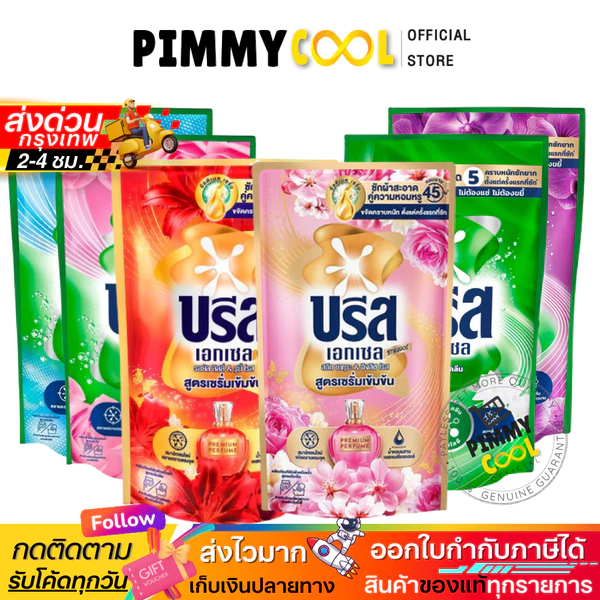
Product featured in this article: Breeze Excel Concentrated Liquid Laundry Detergent, 620-670 ml
Products in this article
 -54%
Breeze Excel Concentrated Liquid Laundry Detergent, 620-670 ml
Breeze Excel concentrated liquid laundry detergent, 620 to 670 ml
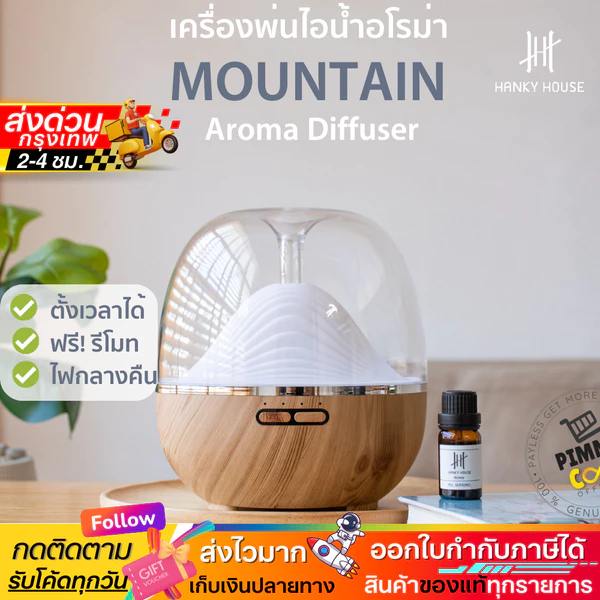
Hanky House Mountain Aroma Ultrasonic Diffuser and Humidifier, 600 ml
Mountain-shaped ultrasonic aroma diffuser, humidifier and night light, 600 ml
 -50%
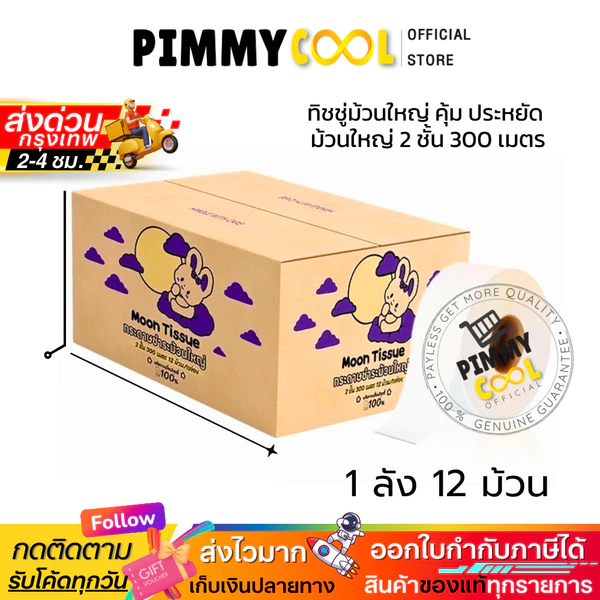
Moon JRT Jumbo Toilet Roll, 2-Ply, 300 m (Case of 12)
Jumbo roll toilet tissue, 2-ply, 300 m per roll, case of 12
 -37%
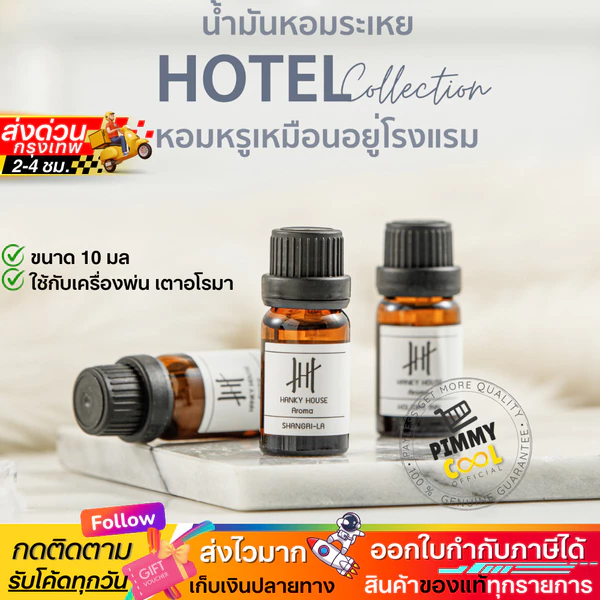
Hanky House Aroma Essential Oil, 10 ml
Natural essential oil in hotel-inspired scents, 10 ml