
What UAE Importers Need to Know Before Ordering Thai Cosmetics

Buyers sourcing Thai skincare and personal care products for the UAE and the wider Gulf market often assume the hardest part is finding the right supplier and agreeing on a price. In practice, getting a cosmetic product onto UAE shelves legally is its own project, and it starts well before the goods leave Thailand.
Several UAE sources describe a two-layer system for cosmetics. One layer is local registration, typically handled by a company holding a UAE trade licence, which lists the product with the relevant municipal or federal authority before it can be sold inside the country. The other is the import clearance layer, where customs checks that a shipment carries the certification needed to enter through a UAE port. Buyers who are new to this market often discover the two layers only after their first container is already booked.
The paperwork behind both layers is fairly consistent across sources: a product safety file, a full ingredient list in INCI order, and label artwork in both Arabic and English. Some product categories also call for a manufacturing-site GMP certificate from the brand's own factory. None of this is unusual by international standards, but it has to come from the Thai brand or its factory, not from the trading company arranging the shipment, so it needs to be requested early.
This has a direct effect on timelines. Registration and certification steps can run in parallel with production and shipping, but only if the ingredient and safety documentation is ready before the order is placed. A buyer who waits until the goods are packed to ask a Thai supplier for an INCI list is adding weeks to a process that could have started on day one. It is worth asking any new supplier directly whether they can provide this documentation, and in what format, before confirming an order.
A sourcing and export partner based in Thailand can consolidate orders across several Thai brands into one shipment and prepare the export documents on the Thailand side. The registration and import compliance on the destination side, though, stays with the buyer or their local representative. That is not something an export partner can do on a buyer's behalf, and it should not be confused with the export paperwork that is already part of normal sourcing.
The UAE is not unique here. Other Gulf states apply similar documentation standards under the regional GCC cosmetics framework, and several Southeast Asian markets have their own product notification systems. The paperwork differs by country, but the underlying lesson is the same: a buyer who treats compliance as a parallel track from day one of sourcing, rather than a step added after the goods are ready, avoids most of the delay.
Thai beauty brands are also moving toward documentation-heavy certifications on their own initiative, including natural and sustainability labels that some overseas retailers now expect. That trend makes it more likely that an established Thai brand already holds the ingredient records a buyer needs; it is a matter of asking for them, and building that request into the sourcing and consolidation process from the start rather than bolting it on later. None of this replaces checking current requirements directly with the destination country's authority before a shipment is booked.
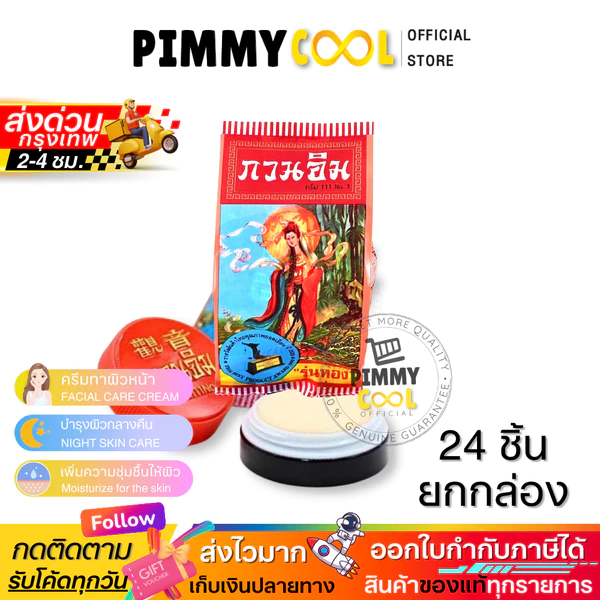
Product featured in this article: Guan Yin Gold Pearl Face Cream, 3 g (24-Pack)
Products in this article
 -17%
Guan Yin Gold Pearl Face Cream, 3 g (24-Pack)
Pearl facial cream for targeted use on dark patches, 3 g jar
 -10%
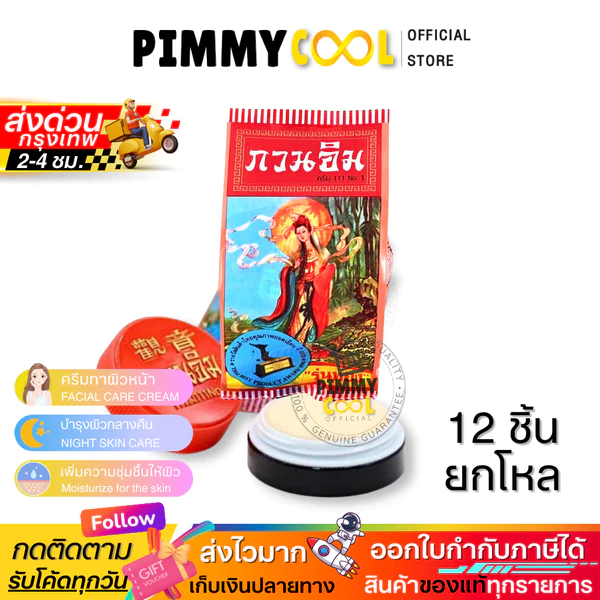
Guan Yin Gold Pearl Face Cream, 3 g (12-Pack)
Pearl facial cream for targeted use on dark patches, 3 g jar
 -5%
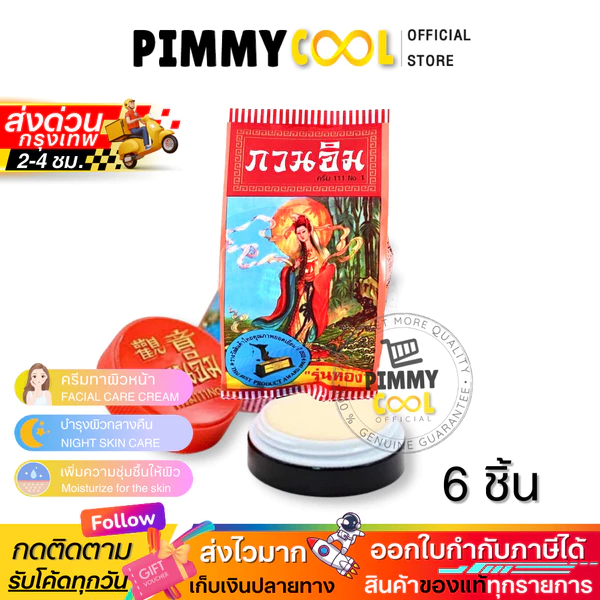
Guan Yin Gold Pearl Face Cream, 3 g (6-Pack)
Pearl facial cream for targeted use on dark patches, 3 g jar
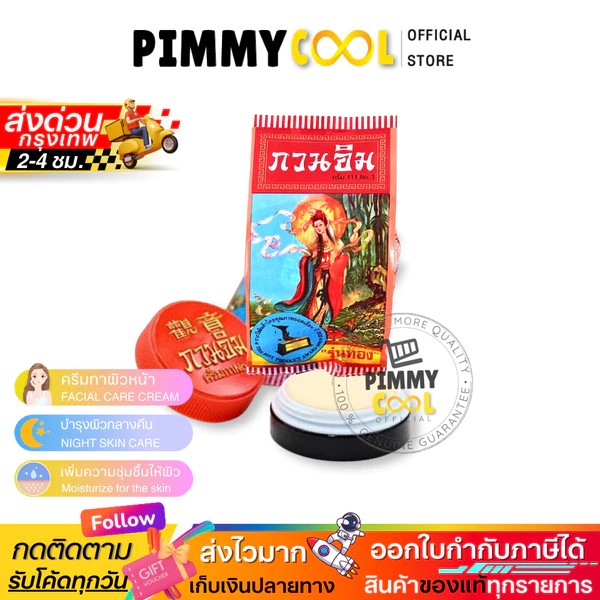
Guan Yin Gold Pearl Face Cream, 3 g
Pearl facial cream for targeted use on dark patches, 3 g jar