
What UAE's 2026 Cosmetic Rules Mean for Thai Beauty Buyers

The United Arab Emirates tightened its cosmetic ingredient rules on 1 January 2026, adding a new batch of banned substances to the list that already governs the Gulf market under the GCC's unified cosmetic standard. For anyone sourcing skincare or personal care products from Thailand for the UAE, it's a useful moment to look at how the registration process actually works, not just what's trending on shelf.
Registration in the UAE runs through the Ministry of Industry and Advanced Technology, which issues a Conformity Certificate, and then through the emirate where the product will actually be sold — Dubai's Montaji system is the one most buyers run into. Once granted, a registration is generally valid for around five years, and the review itself commonly takes four to eight weeks. The application needs a full ingredient list, supporting safety information, and label artwork in Arabic that matches exactly what gets approved, down to warnings and batch coding.
That registration sits with the importer of record inside the UAE, tied to a local trade licence that covers cosmetic activity — it isn't something a sourcing or export partner in Thailand can file on a buyer's behalf. What a buyer can do is stop treating it as a step that happens after the goods ship. Registration review and a typical sourcing-to-container timeline both run over several weeks, so starting the paperwork the same week an order is placed, rather than waiting for the shipment to be packed, is what keeps a container from sitting at the port waiting on approval rather than moving on to a truck.
Getting that paperwork moving early depends on the Thai brand having it ready: a complete ingredient or INCI list, a safety data sheet, product photography, and confirmation that the formulation doesn't include anything on the newer banned list. Smaller Thai brands don't always keep this filed and current, which is part of why a buyer working through a sourcing and export partner benefits from someone chasing that documentation consistently across every brand going into a shipment, rather than each factory being asked individually and at a different pace.
None of this changes what's worth sourcing. Brightening serums, vitamin-based treatments, and body care lotions remain some of the categories that draw the most interest from buyers building a Thai skincare range for the Gulf and wider region. But popularity on a supplier's catalogue and clearance at a Gulf port are two different questions, and only the second one is gated by registration.
Ingredient lists and registration requirements get revised on their own schedule, as the January 2026 update shows, so the specifics here should be treated as a starting point rather than a final answer. Buyers should confirm current rules directly with the relevant authority in the emirate or country they are importing into before committing to a shipment — a sourcing partner can prepare the export side of the paperwork, but the destination-market registration is a separate track that only the importer can complete.
Product featured in this article: Vaseline Healthy Gluta Hya Serum Lotion, 290 ml
Products in this article
 -35%
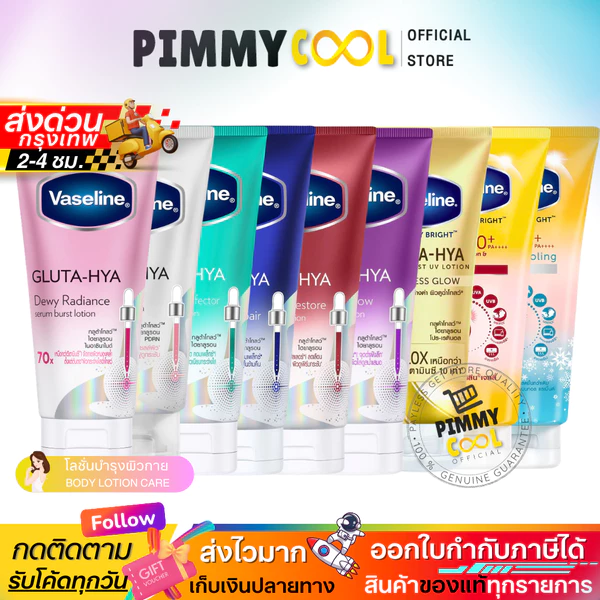
Vaseline Healthy Gluta Hya Serum Lotion, 290 ml
Vaseline gluta hya serum body lotion in six variants
 -36%
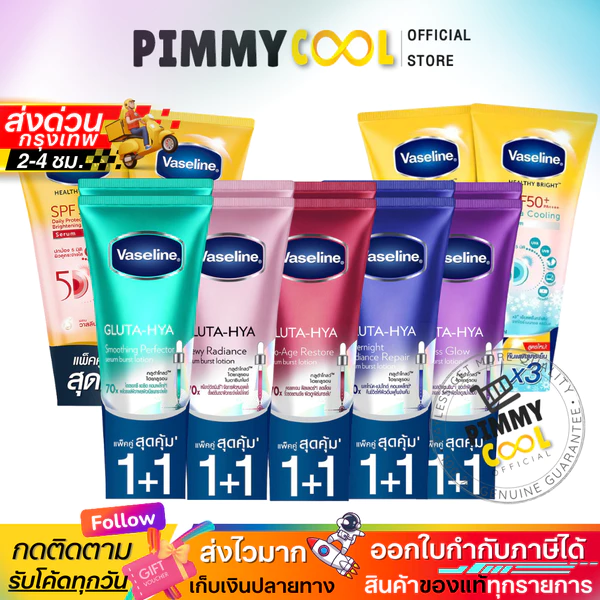
Vaseline Healthy Bright Gluta Hya Serum Lotion, 290 ml (Twin Pack)
Vaseline gluta hya serum body lotion, four variants, twin pack
-35%Vaseline Healthy Gluta Hya Serum Lotion, 290 ml
Vaseline gluta hya serum body lotion in six variants
 -35%
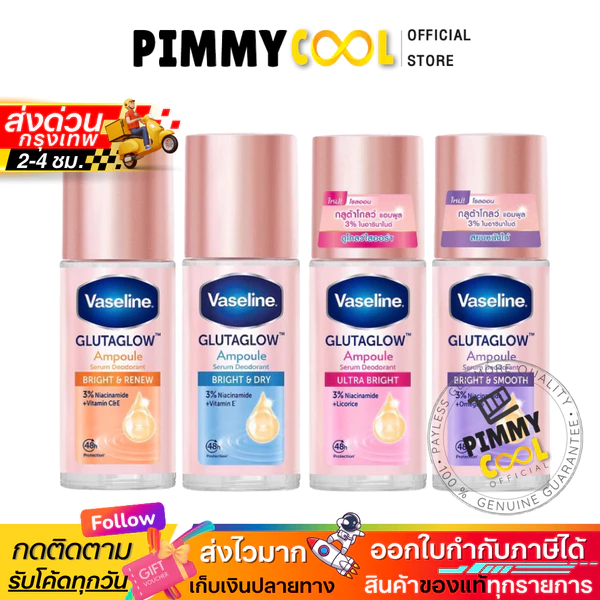
Vaseline Gluta Glow Ampoule Serum Roll-On Deodorant, 45 ml
Vaseline antiperspirant dry serum roll-on, four variants, 45 ml