
What to Ask a Thai Beauty Supplier Before Your First Order

Ordering beauty and personal-care products from Thailand for the first time can feel opaque if you do not already know what to ask a Thai supplier before your first order. Thai brands sell mainly to their home market, and export paperwork, packing formats and quote terms are not always volunteered upfront. A short list of questions asked before you commit protects you from delays at customs, packing that does not match your warehouse, or a shipment that arrives without the paperwork your own market's import authority expects. The points below cover documentation, quotes, samples and packing specification.
Start with the paperwork that has to travel with the goods. Ask for a product specification sheet or ingredient list, and where relevant a certificate of analysis for the batch you are buying. If your destination market asks for a certificate of free sale confirming the product is legally sold in Thailand, ask whether the brand owner can obtain one, and separately confirm with your own country's import or health authority what documentation it actually requires before you commit to a purchase. Cosmetic and supplement rules differ by market, so treat this as a question for your own regulator rather than something a supplier's paperwork can settle on its own.
A usable quote is more than a unit price. Ask which Incoterm the price is based on, EXW, FOB and CIF are the common ones, since each shifts different costs and risks onto you. Ask for the minimum order quantity, the lead time from order confirmation to shipment, and how long the quoted price stays valid. Payment terms should be spelled out too, including currency, deposit percentage and when the balance is due. If a quote is missing any of this, ask for a revised version before comparing it against another supplier, otherwise you are not comparing like with like.
Before committing to a full order, ask about the sample policy. Find out whether samples are free or charged, who covers the courier cost, and how long it takes to prepare and ship one. It is worth asking directly whether the sample comes from the same production run and packaging you would actually receive in bulk, since a showroom sample and a production batch are not always identical. Keep a reference sample on your own side so you have something physical to check the bulk shipment against when it arrives.
Packing is where mismatches happen most often. Confirm the inner pack count per carton, the outer carton dimensions and weight, and whether goods ship on pallets or as loose cartons, since this affects both freight cost and how your warehouse receives the shipment. Ask what language the retail label needs to carry and whether you are expected to supply that artwork or the supplier already has it ready. Confirm how the batch number and expiry date are marked on the unit and on the carton, and ask what minimum remaining shelf life you can expect at the time of shipment.
Put everything above into a single written order confirmation before production starts: product, quantity, price, Incoterm, packing specification, label language, lead time and payment terms. Verbal agreements are easy to lose track of once a shipment is being prepared. If you are buying from more than one Thai brand at once, ask how the shipment will be consolidated into one container or courier shipment, and who is responsible for preparing the commercial invoice, packing list and certificate of origin that travel with it.
A sourcing partner that regularly buys from Thai brands on behalf of overseas buyers can usually answer all of this before you place a deposit. If you are planning a first order, send an enquiry with your product list and destination country and ask these questions directly.
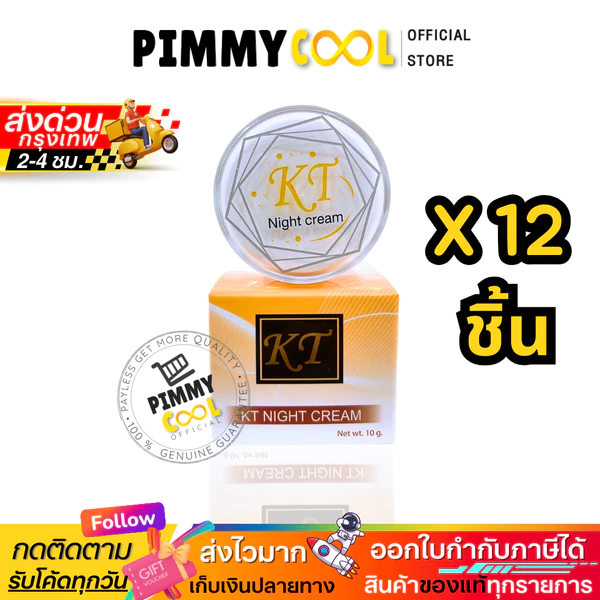
Product featured in this article: KT Gold White Rabbit Night Cream, New Formula, 10 g (12-Pack)
Products in this article
 -23%
KT Gold White Rabbit Night Cream, New Formula, 10 g (12-Pack)
KT Gold night cream with a moisture-veil texture, 10 g
 -43%
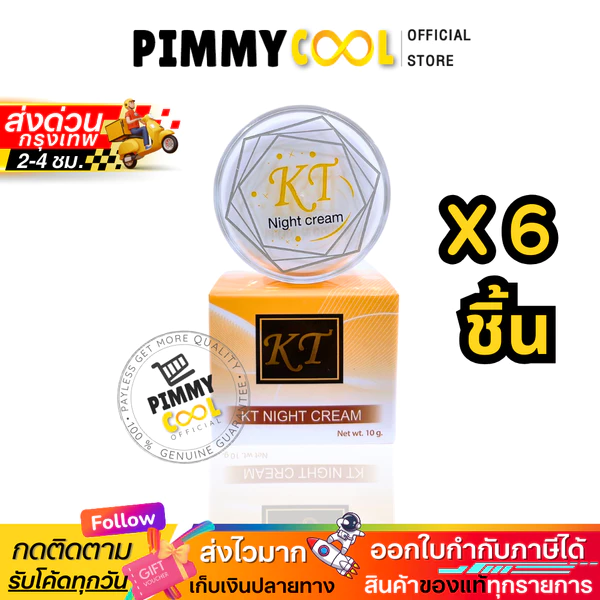
KT Gold White Rabbit Night Cream, New Formula, 10 g (6-Pack)
KT Gold night cream with a moisture-veil texture, 10 g
 -31%
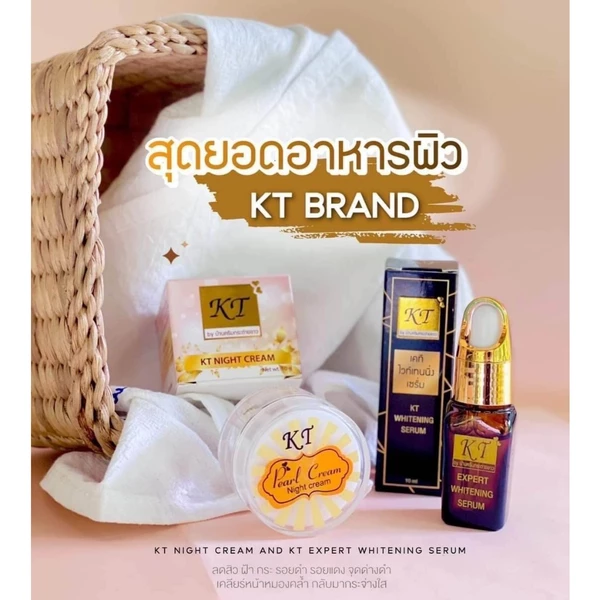
KT Gold White Rabbit Face Serum
KT Gold facial cream and vitamin C whitening serum, 10 g and 10 ml
-58%KT Gold White Rabbit Face Cream, 10 g (12-Pack)
KT Gold facial cream with a moisture-veil texture, 10 g