
How Wholesale Export Pricing Differs From Retail Pricing

Most Thai brand owners are used to setting a retail price on platforms like Shopee or Lazada — the price one consumer pays for one item. But once there is a chance to sell into an international market, the price to quote follows a different structure entirely: a wholesale price, which is typically lower per unit than the domestic retail price, because it reflects a larger order volume rather than a single item sold to a single consumer. A ready-to-drink powder category such as matcha latte sachets is one example of an FMCG product where Thai brands increasingly face this same wholesale pricing question.
Before quoting a wholesale price, a brand needs to think carefully about the minimum margin it wants per unit, not just the product cost. Once the larger order volume is factored in, the lower per-unit price still needs to leave a margin the brand is comfortable with, not merely cover cost. Setting the price too low just to win a first order can look appealing at first, but when a repeat order comes in at a similar volume, the brand may find the per-unit margin is not enough to sustain the business over time.
After a brand quotes its wholesale price, the export partner adds its own layers on top: the partner's own margin, international freight, and the paperwork costs involved in export and import documentation, before presenting a final price to the buyer abroad. That means the price the foreign buyer actually sees and pays ends up noticeably higher than the wholesale price the brand set. A brand should not be surprised to see the price in the destination market well above the figure it originally quoted — that difference is value added along the export chain, not extra income the brand itself receives.
Another point worth planning for from the start is price stability. Export orders tend to be planned in advance and often repeat on a cycle. If a brand changes its wholesale price too frequently — say, every few weeks — it becomes harder for both the buyer and the export partner to plan their own costs ahead of time, which can undermine confidence in placing the next order. Keeping the price reasonably stable over an agreed period tends to make a long-term trade relationship run more smoothly.
A brand should also understand clearly how the purchase itself works with an export partner. Generally, an export partner buys the goods outright from the brand — it purchases the actual stock in order to resell it — which differs from the consignment-style selling a brand may be used to on a domestic marketplace, where a seller waits for an item to sell before being paid. This purchasing structure affects when the brand receives payment and how it plans its own inventory, so it is worth asking each partner clearly which model applies before agreeing on price and other terms.
In short, a Thai brand considering export should understand this pricing structure from the first conversation with a partner: the gap between wholesale and retail pricing, the costs added along the way, the need for reasonable price stability, and the purchasing model the partner uses. Understanding the full picture helps a brand quote its wholesale price with more confidence and plan its own margin more accurately, rather than comparing it directly to a domestic retail price — because the two are simply different markets.
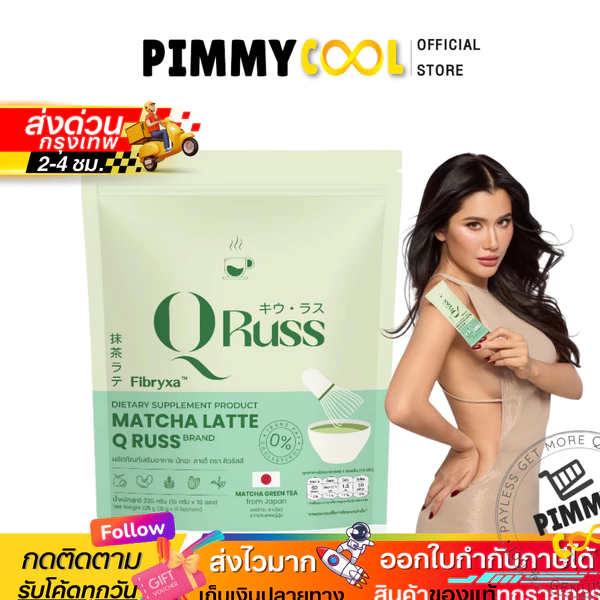
Product featured in this article: Q Russ Premium Matcha Latte, 15 sachets
Products in this article
 -43%
Q Russ Premium Matcha Latte, 15 sachets
Q Russ matcha latte with wheatgrass and MCT oil, 15 sachets of 15 g
 -43%
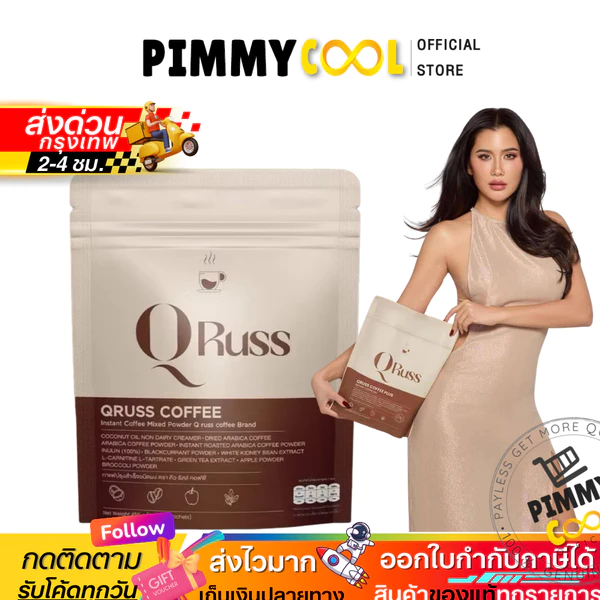
Q Russ Instant Coffee, 30 sachets
Q Russ instant coffee blended with 19 extracts, 30 sachets of 15 g
 -43%
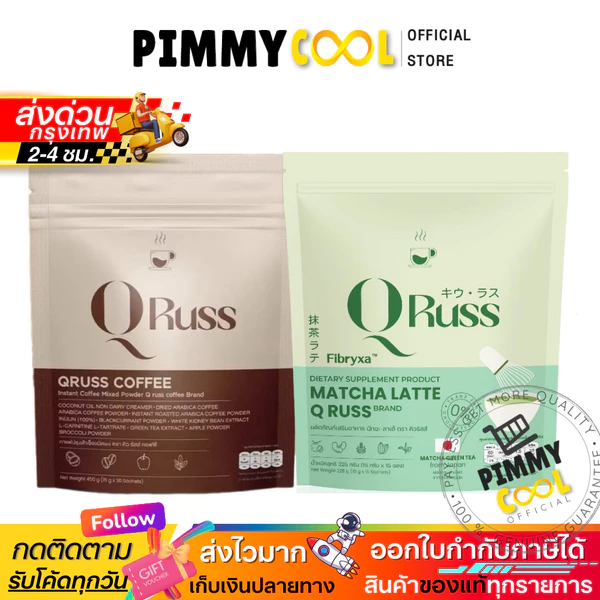
Q Russ Coffee and Matcha Latte Drink Mix
Q Russ matcha latte and instant coffee drink mixes