
What Philippine FDA Cosmetic Notification Means for Thai Imports

A first-time buyer sourcing Thai skincare or personal care goods for the Philippines usually assumes the hard part is finding a reliable supplier at a good price. The harder part, in practice, is getting the product legally onto Philippine shelves once it lands. The Philippines treats cosmetics as a regulated category, and the notification step catches many first orders by surprise.
Under the Philippine FDA Act of 2009, any cosmetic sold in the country has to go through the FDA's notification system before it reaches a retailer. The importer first needs its own License to Operate (LTO), issued by the FDA, before it can submit any product for notification. Once the LTO is in place, each cosmetic needs a Cosmetic Product Notification (CPN), built around a Product Information File that documents the formulation, safety information and label claims, in line with the ASEAN Cosmetic Directive that the Philippines follows alongside Thailand, Malaysia and Indonesia. The exact document checklist is best confirmed directly with the Philippine FDA or a local regulatory consultant, since requirements are updated from time to time.
None of this is complicated for someone who has done it before, but it is easy to get wrong the first time. The common holdups are not exotic: labels that do not match what is in the Product Information File, marketing claims on the box that go further than the file supports, an incomplete PIF, or a notification filed before the importer's own LTO is confirmed. Every one of these is fixable, but each round trip with the FDA costs weeks, and a container sitting in a warehouse while paperwork gets corrected is an expensive way to learn the process.
A CPN, once approved, usually stays valid for a few years rather than needing renewal on every shipment, which is worth knowing before deciding how much to order on a first purchase. The notification cost and lead time apply once per product, not once per container, so a buyer testing the market with a smaller first order is not necessarily paying the compliance cost twice on the reorder.
Skin-brightening and whitening formulas are worth a specific mention, since they are a strong category out of Thailand and also one that regulators in several Southeast Asian markets, the Philippines included, tend to look at more closely, given past problems in the region with undeclared actives in some brightening products. That is a reason to ask a Thai supplier for the full ingredient declaration and any existing notification history early in the conversation, rather than after a purchase order is signed.
Where sourcing fits into this: what a Thai brand puts on its own label and ingredient list is set by the brand, not by whoever is consolidating and exporting the shipment. Pimmycool's part is buying from the Thai brand or supplier on a buyer's behalf, consolidating multiple products into one shipment, and preparing the export-side paperwork, invoice, packing list and certificate of origin, from Thailand. The FDA notification and LTO on the Philippine side sit with the importer of record there, and that is worth arranging, or at least discussing with a local regulatory contact, before committing to a full container rather than after it arrives.
For a buyer weighing the Philippines against other ASEAN markets, the real comparison is not price or product quality, Thai skincare competes well on both, it is how early the notification conversation starts. Buyers who ask a supplier for label artwork, full ingredient lists and any existing certificates before the first order tends to move faster through FDA review than buyers who ask after the goods are already on the water.
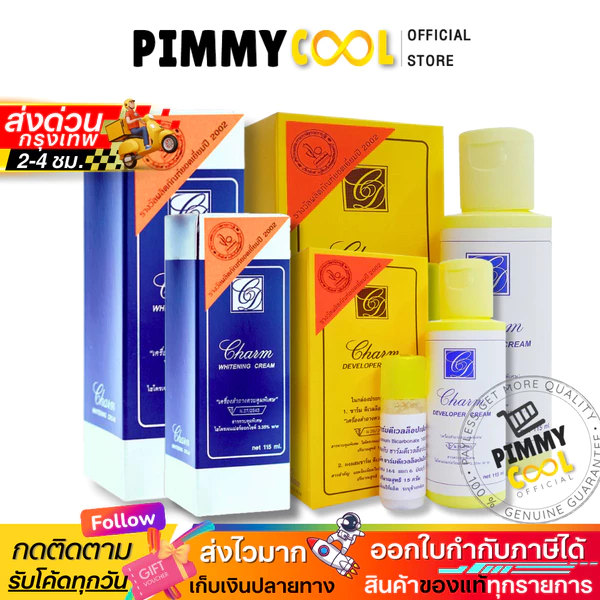
Product featured in this article: Charm Whitening Body Cream
Products in this article
 -8%
Charm Whitening Body Cream
Rinse-off body cream for skin conditioning, in 115 ml and 240 ml
 -8%
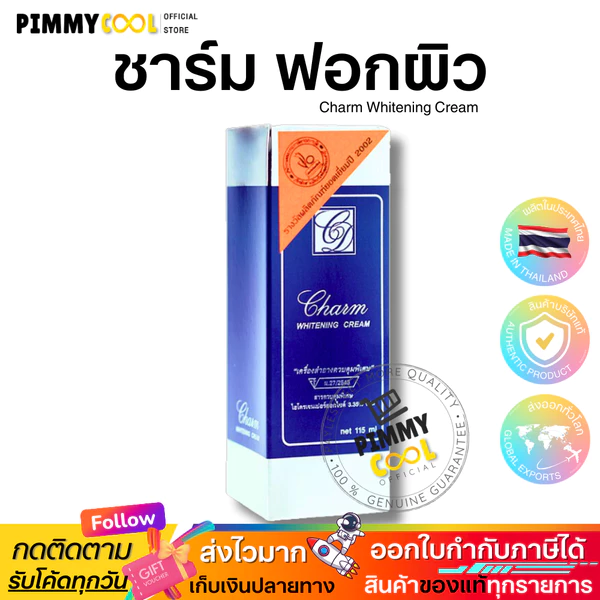
Charm Whitening Body Cream, Blue Box
Charm rinse-off body cream, in 115 ml and 240 ml
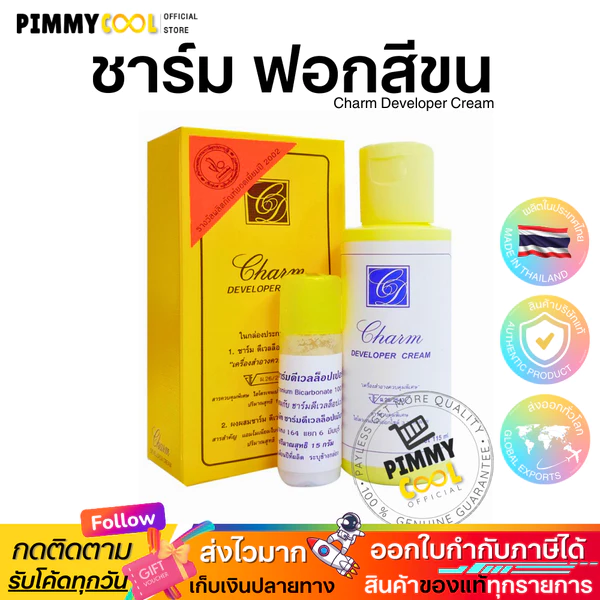
Charm Developer Cream for Hair Lightening, Yellow Box
Charm developer cream for the body, 30 g and 15 g